In today’s rapidly evolving transport sector, fleet efficiency is more critical than ever. One innovative solution gaining traction is the installation of networked AC chargers. These chargers play a vital role in optimizing charge times and vehicle availability. By ensuring a seamless connection between fleets and charging infrastructure, they can significantly reduce downtime.
How networked AC chargers improve fleet efficiency is not merely a technical question. It touches upon cost savings, sustainability, and operational flexibility. Fleets equipped with these chargers can monitor battery health and energy consumption in real-time. This allows managers to make data-driven decisions regarding maintenance and usage patterns.
However, while the benefits are substantial, challenges exist. Not all fleets have adapted to this technology, and some still struggle with legacy systems. Bridging this gap is essential for maximizing the advantages of networked charging. Therefore, the journey toward fleet efficiency is ongoing and requires continuous evaluation and adaptation.
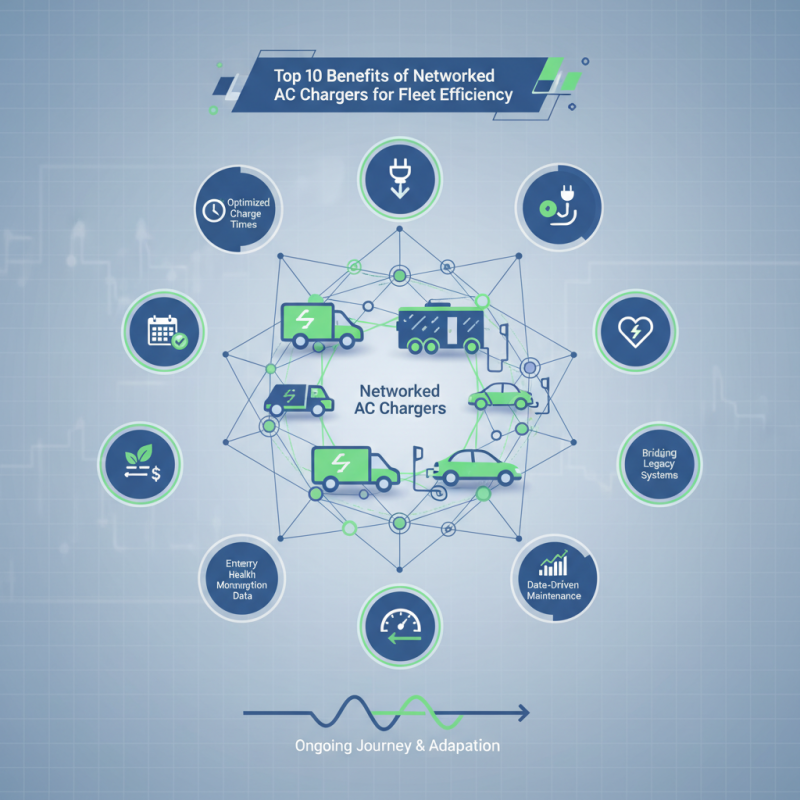
Networked AC chargers are revolutionizing fleet operations. These chargers provide real-time data, which helps in making informed decisions. Fleet managers can monitor charging patterns, usage times, and energy consumption effectively. This data-driven approach allows for better route planning and scheduling, enhancing overall fleet efficiency.
Charging stations linked to a network can communicate with electric vehicles (EVs). This connection ensures that vehicles are charged when energy costs are low. Additionally, networked chargers can be optimized for peak usage times. However, reliance on technology can be a double-edged sword. If a network goes down, it can disrupt operations.
Moreover, the initial setup of a networked system may involve higher costs and complexity. Training staff to adapt to new technologies can be challenging. Yet, the long-term benefits, such as reduced operational costs and improved vehicle uptime, often outweigh these concerns. Embracing these innovations brings fleets closer to sustainable practices.
The use of networked AC chargers greatly enhances the efficiency of fleet operations. With the ability to monitor charging statuses in real-time, fleet managers can better manage their resources. This leads to faster turnaround times for vehicles. Reduced downtime is crucial in maximizing productivity. Fewer delays mean more deliveries and less lost revenue.
Tips for effective fleet management: Ensure charging stations are strategically placed. This minimizes travel time for drivers and optimizes charging schedules. Regular maintenance checks on chargers can prevent unexpected outages. Additionally, train staff to use charging software effectively to track usage and availability.
Enhanced charging efficiency also allows for better energy management. By scheduling charging during off-peak hours, fleets can save on energy costs. However, inconsistent charging habits can lead to battery wear. Monitoring battery health and adjusting charging protocols is key to maintaining vehicle performance over time.
Networked AC chargers represent a transformative tool for fleet operations. By integrating data analytics, fleet managers can gain crucial insights into energy usage patterns and charging behaviors. These insights enable optimized charging schedules, minimizing costs while maximizing vehicle uptime. Companies can reduce their carbon footprint, responding to environmental concerns and regulations effectively.
Real-time data allows for better resource allocation. Fleets equipped with networked chargers can analyze peak usage times and adjust charging accordingly. This not only enhances efficiency but also prevents overloading electrical grids. However, reliance on data may lead to overlooked human factors, such as unexpected vehicle downtime. It’s essential to balance data-driven decisions with real-world nuances to maintain operational effectiveness.
The use of networked AC chargers can improve maintenance tracking and performance metrics as well. Collecting data on each vehicle's charging history can highlight patterns that inform preventative maintenance. Yet, without careful interpretation, data may misrepresent a fleet's needs. Fleet management professionals must regularly evaluate their data strategies, ensuring they adapt to both technological advancements and evolving operational demands.
Networked AC chargers are transforming fleet operations. One of the most significant advantages is cost savings through energy management. By utilizing smart charging solutions, fleets can optimize their charging schedules. These networks allow for real-time monitoring and control of energy usage, which leads to reduced operational costs.
Energy management software can analyze patterns in usage. It helps fleets avoid peak demand charges, which can inflate energy bills. During off-peak hours, charging can occur at a lower cost. This strategy not only saves money but also encourages more sustainable energy consumption. In implementing these systems, fleets must consider their infrastructure. Compatibility with existing systems may pose challenges.
However, even with sophisticated technology, issues can arise. For instance, software integration can be complex. Staff may require training, and some networks may not be as user-friendly as hoped. Reflection on these potential shortcomings is crucial. A successful implementation considers both technological and human factors. Continuous evaluation will maximize the benefits of networked charging solutions.
The chart below highlights the key benefits of implementing networked AC chargers for fleet operations, focusing on cost savings through energy management.
As electric fleets expand, scalability becomes crucial for their charging infrastructure. Networked AC chargers are designed with this growth in mind. Reports indicate that by 2030, electric vehicle (EV) fleets may comprise over 60% of commercial vehicles. This shift demands adaptable charging solutions that can grow in tandem with fleet size and requirements.
Implementing modular charging units allows for easy expansion. Companies can start with a few chargers and add more as their fleets grow. This flexibility ensures they do not overspend on unnecessary infrastructure right away. Moreover, networked solutions streamline management, providing real-time data on charging status, usage, and energy costs.
Tip: Regularly analyze crowd charging patterns to determine peak usage times. This insight helps optimize charger placement and reduce downtime.
Ongoing maintenance and software updates are vital. Fleet operators must ensure their chargers can adapt to future advancements in EV technology. A study shows that fleets using networked chargers can improve efficiency by up to 30%. However, maintaining outdated systems may lead to inefficiencies and increased costs.
Tip: Invest in staff training to ensure everyone understands the charging system. A knowledgeable team will maximize the benefits of new technologies.
Ensuring future-proofing is critical. With the rapid pace of technology, fleets that do not prioritize scalable charging solutions may face challenges. Organizations must reflect on their current needs while planning for future growth.
| Benefit | Description | Impact on Fleet Efficiency | Future Scalability |
|---|---|---|---|
| Increased Charging Speed | Faster charging times reduce downtime for vehicles. | High | Yes |
| Remote Monitoring | Real-time monitoring helps detect issues early. | Medium | Yes |
| Optimized Energy Usage | Smart charging schedules reduce energy costs. | High | Yes |
| Scalability | Easily add more chargers as fleet grows. | High | Yes |
| Improved Fleet Management | Centralized system enhances operational efficiency. | Medium | Yes |
| Data Analytics | Insights from data help optimize performance. | High | Yes |
| Integration with Renewable Energy | Utilizing solar and wind energy can enhance sustainability. | Medium | Yes |
| Cost Savings | Lower operational costs over time. | High | Yes |
| Enhanced Sustainability | Supports electric vehicle adoption, reducing carbon footprint. | High | Yes |
| Future-Proof Investment | Prepared for evolving EV technology and demands. | High | Yes |
C chargers for fleets?
Place charging stations strategically to minimize travel time and implement regular maintenance checks for reliability.
Charging at these times can significantly lower energy costs, benefiting fleet budgets and resource management.
They may cause battery wear over time. Monitoring battery health is crucial to maintain vehicle performance.
It provides insights into energy usage and charging behaviors, enabling optimized schedules and minimal costs.
It may overlook human factors, such as unexpected vehicle downtime, which are vital for operational effectiveness.
They collect vehicle charging data, helping to spotlight patterns for preventative maintenance.
They must ensure their strategies adapt to new technology and changing operational needs.
It ensures effective tracking of usage and availability, which is essential for operational success.
Yes, without careful interpretation, data might not accurately reflect a fleet's actual needs and challenges.
Networked AC chargers play a crucial role in enhancing fleet efficiency through a variety of substantial benefits. Firstly, they significantly improve charging efficiency and reduce downtime, allowing fleets to operate more seamlessly. Moreover, these chargers provide data-driven insights that enable optimal fleet management, empowering operators to make informed decisions that enhance overall productivity.
In addition, networked AC chargers facilitate better energy management, leading to improved cost savings for fleet operations. Their scalability ensures that they can grow alongside expanding fleets, making them a future-proof solution for businesses. Overall, understanding how networked AC chargers improve fleet efficiency is essential for organizations aiming to maximize their operational capabilities and adapt to the evolving landscape of fleet management.

Walnut Charger