Best Fleet Management Chargers for Optimal Efficiency?

Time:2026-03-30 Author:Liam
0%

Fleet Management Chargers play a crucial role in enhancing the efficiency of any logistics operation. As John Harper, a renowned expert in fleet management, stated, "The right charger can make or break your fleet's operational efficiency." This highlights the importance of choosing the best chargers for optimal performance.

With the rise of electric vehicles in fleets, the need for advanced charging solutions has never been more pressing. Fleet Management Chargers ensure that vehicles are ready for the road at all times, saving both time and resources. Many fleet managers, however, overlook this vital component. They often focus on vehicle acquisition and routine maintenance but fail to optimize the charging process.

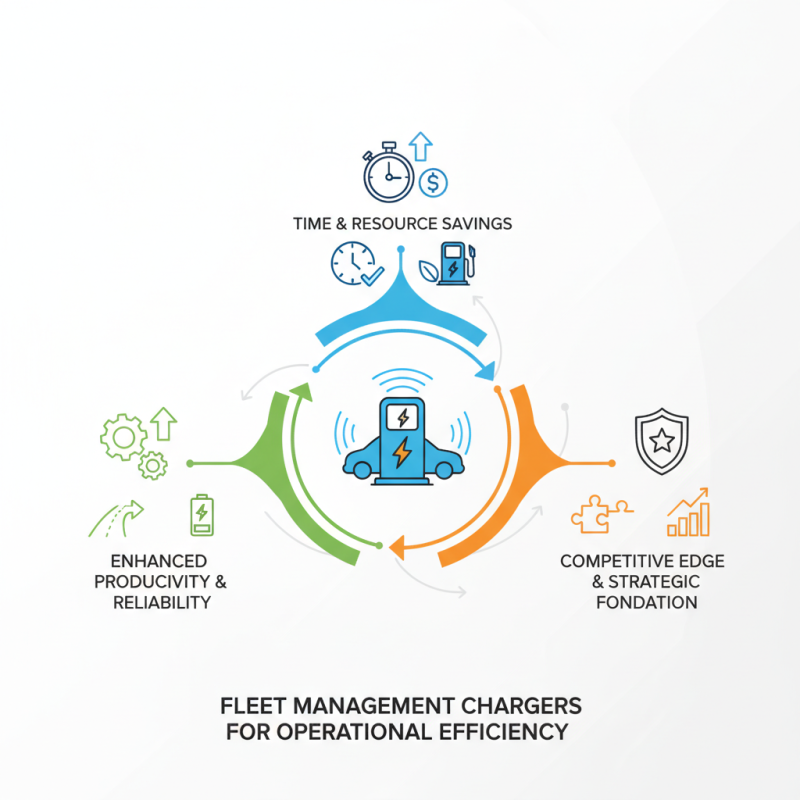
The consequences of neglecting this aspect can be significant. Long charging times can lead to operational delays and increased costs. Investing in the right charging technology can enhance fleet productivity and reliability. Selecting Fleet Management Chargers that meet specific needs is essential for maintaining a competitive edge in the industry. Always remember, the foundation of a successful fleet operation lies within its charging strategy.
Best Fleet Management Chargers for Optimal Efficiency?

Essential Features of Fleet Management Chargers

In fleet management, choosing the right chargers is crucial for maintaining operational efficiency. Essential features should include rapid charging capabilities, compact design, and advanced monitoring systems. According to an industry report, fleets can boost productivity by up to 25% when equipped with high-quality chargers that support a quick turnaround.

Rapid charging technology minimizes downtime. Fleet operators can recharge vehicles in less than two hours, which is vital for high-demand operations. Meanwhile, compact designs allow for flexible positioning within charging stations, optimizing space usage. Moreover, smart monitoring systems enable real-time performance tracking of charging cycles and battery health, generating data to enhance future operations.

However, not all chargers meet these standards. Some lack the necessary safety features, creating potential risks. It's critical to evaluate charging systems for compliance with industry regulations. Fleet managers should also consider scalability. As electric vehicle adoption rises, chargers must accommodate growing demands. Making these assessments can lead to better investment decisions and increase long-term fleet reliability.

Types of Fleet Management Chargers Available in the Market

When considering fleet management chargers, it's important to understand the different types available in the market. These chargers vary in terms of technology, features, and efficiency. Just like vehicles, chargers can be categorized based on their capabilities. For example, Level 1 chargers are basic, offering slower charging rates ideal for light-duty fleets. In contrast, Level 2 chargers provide faster charging, suitable for larger fleets requiring quicker turnaround times.

Wireless charging technology is gaining traction. This innovative method allows for seamless charging without plugging in vehicles. However, it might still be in the early stages of development, raising questions about efficiency and reliability. Fleet managers should weigh the pros and cons carefully before adopting this technology.

Tips: Always evaluate the charging speed and compatibility with your fleet vehicles. Take into account the infrastructure readiness of your facilities for charging installations. Regularly assess your fleet's charging needs to adapt to changes and avoid over-dependence on one type of technology. This ensures optimal efficiency and cost management.

Benefits of Using Advanced Chargers for Fleet Efficiency

Efficient fleet management is critical for businesses aiming to reduce costs and increase productivity. Using advanced chargers plays a significant role in this efficiency. These chargers are designed to optimize battery health and charging speed. With smart technology, they analyze charging patterns, making adjustments as needed. This adaptability can extend the lifespan of batteries. Longer battery life means fewer replacements, translating to substantial savings.

Moreover, advanced chargers can provide real-time data. Fleet managers can monitor charging times and battery status remotely. This data can help identify patterns and potential issues before they escalate. Implementing these methods often minimizes downtime. However, the transition to advanced charging solutions can require initial investment and training.

Fleet operators may face challenges in integrating new technologies. Not all staff may be familiar with advanced features. Some units may also not be compatible with existing equipment. Addressing these hurdles is essential for reaping the potential benefits. Embracing change is vital, but teams must be prepared for a learning curve.

Maintenance and Safety Considerations for Fleet Chargers

When managing a fleet, the efficiency of your chargers is crucial. Safety and maintenance are critical considerations often overlooked. Regular inspection of chargers prevents potential hazards. Look for frayed wires or loose connections. These small issues can lead to larger problems.

Tips: Schedule weekly check-ups to ensure everything is functioning well. Encourage drivers to report any anomalies they notice. This practice builds a culture of safety within the fleet.

Another key aspect is to keep chargers clean. Dust and debris can affect performance. Additionally, ensure that chargers are located in areas with good ventilation. Overheating can significantly impact efficiency.

Tips: Use a soft cloth for regular cleaning. Consider implementing a maintenance log for tracking issues and resolutions. Reflection on past problems can lead to improved practices and fewer future complications.

Cost Analysis: Investing in Quality Fleet Management Chargers

Investing in quality fleet management chargers can significantly impact operational efficiency. A recent industry report indicates that poorly functioning chargers can lead to up to 28% energy loss. This inefficiency not only drains resources but also raises operational costs significantly. Organizations often overlook this, favoring cheaper options that prove costly in the long run.

The initial investment in a high-quality charger may seem steep. Yet, studies suggest that the return on investment can be realized in as little as 12 months. Enhanced charging efficiency saves time and reduces downtime. Furthermore, quality chargers also extend the lifespan of fleet batteries. Fleet operators should evaluate the total cost of ownership rather than just the purchase price.

It is essential to analyze the overall impact on maintenance and operational costs. Frequent breakdowns from subpar chargers lead to operational disruptions. As organizations strive for optimal efficiency, the choice of charger becomes more critical. Reflecting on these factors can reveal potential weaknesses in fleet management strategies. Ensure every detail is considered, from charger specifications to their efficiency ratings.

Cost Analysis of Fleet Management Chargers for Optimal Efficiency

This chart illustrates the cost analysis of different types of fleet management chargers based on their efficiency and investment quality. The costs shown represent average market prices for each charger type.

FAQS

: What features should fleet management chargers have?

: Chargers should offer rapid charging, compact design, and smart monitoring systems for optimal performance.

How fast can rapid charging technology work for fleet vehicles?

Rapid charging technology can recharge vehicles in less than two hours, reducing downtime significantly.

What types of chargers are available for fleet management?

Chargers vary from Level 1, which are slower, to Level 2, providing faster charging for larger fleets.

Is wireless charging a viable option for fleet management?

Wireless charging technology is emerging, but its efficiency and reliability are still under evaluation.

How can advanced chargers benefit fleet efficiency?

They optimize battery health, reduce replacement needs, and provide real-time data for monitoring.

What challenges might fleet managers face with advanced chargers?

Transitioning may involve initial costs, staff training, and compatibility issues with existing technologies.

Why is it essential to assess charging systems?

Evaluating chargers ensures compliance with safety standards and best fits growing electric vehicle demands.

How can regular assessments of fleet needs help?

It helps to adapt to changes and prevents over-reliance on a single technology, ensuring efficiency.

What should be considered when installing charging infrastructure?

Assess the infrastructure readiness of facilities to support different types of chargers effectively.

What is a common mistake when adopting new charging technologies?

Ignoring the learning curve for staff can hinder successful integration of advanced features.

Conclusion

Fleet Management Chargers are crucial for enhancing the operational efficiency of vehicle fleets. These chargers come equipped with essential features such as smart charging capabilities, fast charging options, and robust safety mechanisms. Available in various types, including standard and advanced models, they cater to the diverse needs of fleet operators, ensuring that vehicles are always ready for use.

The benefits of using advanced Fleet Management Chargers extend beyond mere convenience; they significantly improve fleet efficiency by reducing downtime and prolonging battery life. Proper maintenance and adherence to safety protocols are vital to ensure the longevity and reliability of these chargers. Furthermore, investing in high-quality Fleet Management Chargers can lead to substantial cost savings in the long run, making them a worthwhile addition to any fleet management strategy.

Liam

Liam

Liam is a dedicated marketing professional with a profound expertise in the industry, where he excels at highlighting the unique advantages of our core products. With a keen understanding of market trends and consumer needs, Liam frequently updates our company’s professional blog, providing......