How to Choose the Best Wall Mounted EV Charger for Your Home?

Time:2026-03-20 Author:Sophia
0%

As electric vehicles (EVs) become more popular, the demand for home charging solutions is rising. According to a report from the International Energy Agency, global EV sales reached 6.6 million in 2021, reflecting a significant shift in consumer behavior. Choosing the right charging equipment is crucial. Experts often emphasize the importance of this choice. "Selecting the best wall-mounted EV charger directly impacts your charging efficiency and convenience," says Mark Johnson, a leading authority in EV charging solutions.

When tackling the question of how to choose the best wall-mounted EV charger, several factors come into play. Do you need a Level 1 or Level 2 charger? Charging speeds vary widely and can affect your daily routines. Moreover, compatibility with your specific EV model can be a challenge. Many users overlook this detail and end up frustrated.

Overall, thorough research is essential. While many products claim to be the best, understanding actual user reviews helps clarify the true quality. Look for chargers that meet safety standards. As the market evolves, continuous updates and innovations will appear. This reflects the industry's commitment to improving EV charging experiences at home.
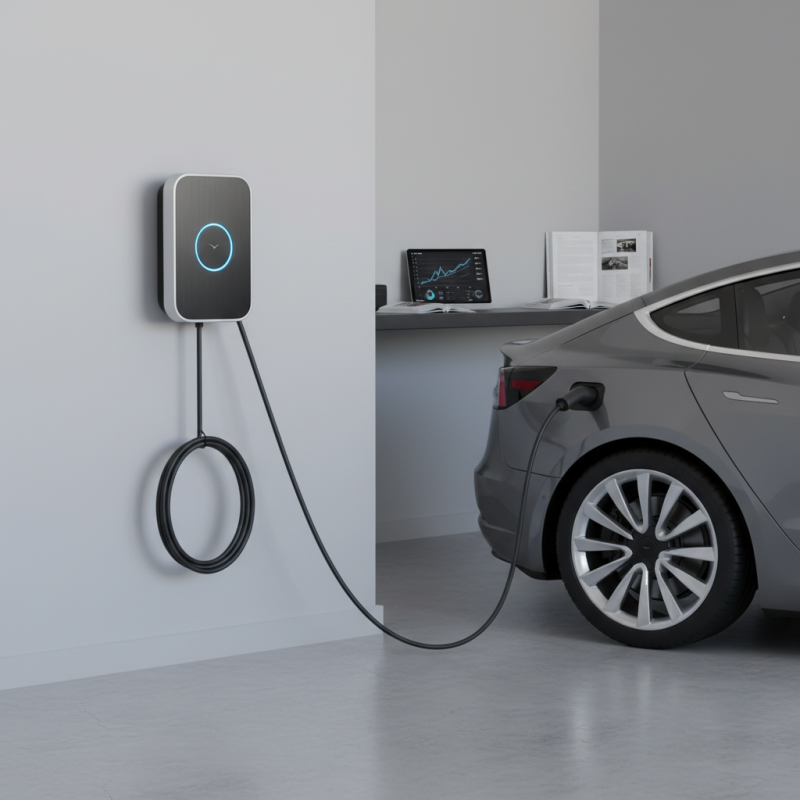
How to Choose the Best Wall Mounted EV Charger for Your Home?

Understanding Different Types of Wall Mounted EV Chargers Available

When selecting a wall-mounted EV charger, understanding the types available is essential. You can choose between Level 1 and Level 2 chargers. Level 1 chargers use a standard outlet. They are convenient but slow, typically charging your vehicle overnight. This option is often suitable for occasional EV users.

Level 2 chargers, on the other hand, require a 240-volt outlet. They offer faster charging, suited for daily drivers. Many homes are moving towards these chargers to meet their needs. However, installing a Level 2 charger may require professional help. It’s important to evaluate your home's electrical system before making a decision.

Another factor to consider is the smart charging features. Some chargers can connect to your smartphone. This allows you to monitor charging status and control the charging times. While this sounds useful, it may not be necessary for everyone. Assess how tech-savvy you are and what features you actually need. It’s easy to get caught up in options but focus on what works best for you.

Comparison of Different Types of Wall Mounted EV Chargers

Assessing Your Home Power Supply Capacity for EV Charging

When considering an EV charger for your home, understanding your power supply is vital. Many homes run on 120V outlets, which may not deliver optimal charging speeds. If you've installed 240V service in your garage, you're in a better position for faster charging. It's crucial to know your electrical system.

Check your home's main electrical panel. Ensure it can handle additional load from an EV charger. You might need an electrician to assess your setup. Simple inspections can prevent future issues. Look for any signs of wear or age on your wiring.

Tips: Consider the amperage of your service. It should be rated for at least 60 amps to accommodate a higher charging capacity. Make sure to review your electrical usage. An overloaded system can pose safety risks. If unsure, consult a professional. Homeowners may overlook these details, but addressing them is critical for efficient EV charging.

Key Features to Consider When Selecting an EV Charger

Choosing the right wall-mounted EV charger for your home is crucial. In recent years, electric vehicle sales have surged. According to the International Energy Agency, global EV sales exceeded 6.6 million units in 2021, indicating a growing demand for convenient charging solutions.

When selecting an EV charger, power output is key. Charging speeds vary significantly. Most home chargers range from 3.7 kW to 22 kW. A higher kW rating means faster charging. Consider the compatibility with your vehicle. Some models are limited to specific brands. This restricts options, and it's worth researching your vehicle's charging capability.

Another factor to consider is smart technology. Many chargers now offer Wi-Fi connectivity. This allows users to schedule charging sessions. Some also provide real-time updates on charging status. However, smart features can be more costly. If you don’t leverage them, it might not be worth the extra expense.

Lastly, look for safety certifications. Compliance with standards ensures reliability and performance. Without these, the risk of malfunctions rises. Pay attention to installation requirements too. Some chargers demand hardwired installations, which can be complex for DIY enthusiasts.

Evaluating Installation Requirements for Wall Mounted EV Chargers

When evaluating installation requirements for wall-mounted EV chargers, several factors come into play. Start by examining your home's electrical system. Does it support the charger's required voltage? If your home has an outdated electrical panel, an upgrade may be necessary. Consider the distance from your electrical panel to the parking area. Longer distances may require thicker wires, increasing installation complexity and costs.

Additionally, assess the wall's strength and material where the charger will be mounted. A sturdy brick or concrete wall is ideal. If installing on drywall, reinforcement may be needed. It's also essential to evaluate environmental factors, such as weather exposure. Chargers should ideally be installed in a sheltered location to protect them from extreme conditions.

Consulting a professional can illuminate less obvious issues. They might point out potential safety hazards or code violations. This can lead to costly modifications. It's wise to gather multiple opinions to ensure all bases are covered. Remember to reflect on future needs as well. As EV technology evolves, your charging requirements may change.

How to Choose the Best Wall Mounted EV Charger for Your Home? - Evaluating Installation Requirements for Wall Mounted EV Chargers

Feature Importance Considerations
Charging Speed High Ensure it fits your vehicle's battery capacity and daily usage.
Installation Type Medium Check if your home can support hardwired vs plug-in options.
Wi-Fi Connectivity Medium Allows for smart features like scheduling and monitoring.
Safety Features High Look for features like surge protection and temperature control.
Cable Length Medium Ensure it reaches your vehicle's charging port comfortably.
Brand Warranty High Consider the length and coverage of the warranty offered.

Comparing Costs and Warranty Options of Various EV Charger Brands

When selecting an EV charger, costs and warranty options are vital. Prices can vary significantly. Some chargers may appear affordable upfront but have hidden costs. Check installation fees, maintenance expenses, and compatible accessories. Consider the total investment rather than just the purchase price.

Warranty options are as important as costs. Some brands offer extended warranties, while others do not. A longer warranty often indicates confidence in the product's durability. It's wise to read the fine print. Understand what the warranty covers and for how long. Some chargers may have limited coverage for specific parts.

Many consumers overlook these details. They might focus on features instead of long-term value. Reflect on your daily charging needs. Choose a charger that supports your lifestyle. Spending a bit more upfront might save money later. Investing in reliable equipment pays off in the long run.

FAQS

: What types of wall-mounted EV chargers are available?

: There are Level 1 and Level 2 chargers. Level 1 uses a standard outlet and is slower. Level 2 requires a 240-volt outlet and charges faster.

How does a Level 1 charger work?

It connects to a standard outlet. It's convenient for occasional users, but charges overnight, which might not be fast enough for daily needs.

What are the benefits of Level 2 chargers?

Level 2 chargers charge faster, making them better for daily drivers. Many homes are upgrading to this option for convenience.

Are smart charging features necessary?

Smart features allow monitoring and scheduling via smartphone. These features are useful but may not be essential for everyone.

What should I consider about power output?

Chargers range from 3.7 kW to 22 kW. Higher kW ratings mean faster charging. Ensure compatibility with your vehicle’s requirements.

Why are safety certifications important?

Safety certifications ensure reliability. Without them, there’s a higher risk of malfunctions. It's crucial to prioritize safety when selecting a charger.

Can I install a charger myself?

Some chargers need hardwired installations. DIY installations can be complicated. Assess your skills before attempting installation on your own.

How do I know which features I need?

Consider how often you use your EV. Focus on essential features rather than getting distracted by every available option.

What if I'm not tech-savvy?

If you’re not comfortable with technology, smart features may complicate usage. Stick to basic features that suit your charging needs.

Should I consult a professional for installation?

If considering a Level 2 charger, consulting a professional is wise. Evaluate your home’s electrical system beforehand for best results.

Conclusion

When considering how to choose the best wall-mounted EV charger for your home, it's essential to understand the different types available, as they vary in functionality and compatibility with various electric vehicles. Start by assessing your home power supply capacity to ensure it can handle the charger’s requirements, which plays a crucial role in the efficiency of your EV charging experience.

Additionally, key features such as charging speed, connectivity options, and safety certifications should be taken into account. Evaluating installation requirements is also vital, as some chargers may need professional installation while others are more DIY-friendly. Finally, compare the costs and warranty options available for various EV charger brands to make an informed decision that meets both your budget and long-term needs.

Sophia

Sophia

Sophia is a dedicated marketing professional with an exceptional depth of knowledge about her company's products and services. With a keen understanding of market trends and customer needs, she crafts insightful blog posts that not only inform but also engage readers, enriching the company’s online......