What Is the Best Way to Optimize Commercial Charger Billing?

Time:2026-11-17 Author:Ethan
0%

Commercial AC chargers can look simple: a wall-mounted unit, a parked vehicle, and a session receipt. Yet billing becomes complicated when energy rates change by time, drivers use different payment methods, or several businesses share one site. How to optimize billing for commercial AC chargers starts with dependable meter data, clear tariff rules, and receipts that match each charging session. Small errors matter. A few unexplained cents can weaken driver trust.

The International Energy Agency’s Global EV Outlook 2024 reported that public charging points worldwide grew by about 40% in 2023, reaching more than four million. That growth makes consistent billing and operational records increasingly important. IEA Executive Director Fatih Birol said, “Electric cars are the key technology to decarbonise road transport, a sector that accounts for more than 15% of global energy-related emissions.” His statement describes the scale of the transition; dependable billing helps charging sites support it.

For operators, optimization is not simply choosing the lowest processing fee. It means comparing energy costs, payment fees, software charges, and maintenance against actual charger utilization. It also means checking whether drivers can understand the price before plugging in. A practical review might compare one month of meter readings with invoices and session receipts, then investigate any mismatch. That takes time. And pricing can still feel messy when tariffs change or multiple parties share costs. A better billing system reduces surprises, but it cannot replace regular checks.
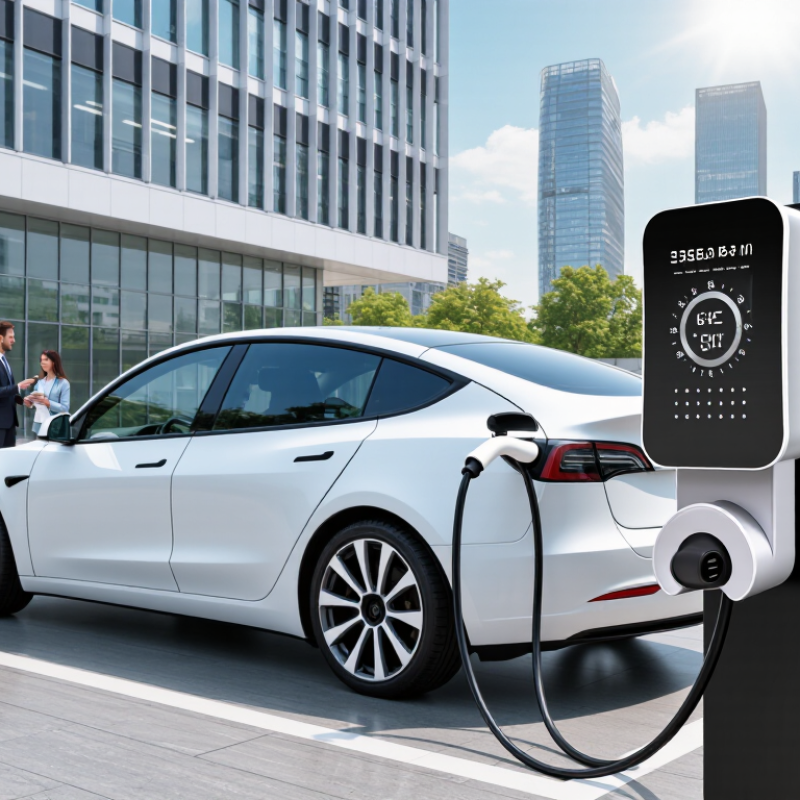
What Is the Best Way to Optimize Commercial Charger Billing?

Understanding Commercial Charger Billing and Its Key Components

Commercial charger billing converts electricity use into a clear, auditable charge. Its key components include energy consumed, session duration, connection fees, idle fees, and applicable taxes. A driver may see a per-kilowatt-hour price, while a fleet operator may also face monthly service charges. Meter accuracy matters. So does the tariff’s timing: a charger used during a peak period may cost more to operate than one used overnight. Payment processing and roaming fees can further reduce revenue, though they are easy to overlook. Demand charges deserve separate attention; a brief surge in site-wide power use can raise a monthly utility bill even when individual charging sessions seem inexpensive.

The International Energy Agency’s Global EV Outlook 2024 reported that public charging points grew by nearly 40% in 2023, while fast chargers grew by about 55%. More chargers mean more sessions, and more chances for billing rules to confuse customers. A site manager should compare charger records with utility bills, then check how fees appear on receipts. For example, a 30-minute parking stop may trigger an idle fee even after charging ends. That can be fair, but only if the rule is visible before the driver plugs in. No single tariff suits every site. I would review actual usage before changing prices; the neatest spreadsheet may not reflect what drivers experience at the curb.

Assessing Charging Demand, Operating Costs, and Revenue Goals

What Is the Best Way to Optimize Commercial Charger Billing?
Assessing Charging Demand, Operating Costs, and Revenue Goals

Good billing starts with actual charging patterns, not guesses based on parking-lot traffic. Track sessions by hour, energy delivered, connection time, and charger availability for several weeks. A busy site may still have low energy sales if vehicles arrive nearly full. Compare weekday and weekend use, and note seasonal changes. Small changes matter.

Next, map operating costs: electricity, demand charges, payment processing, maintenance, and software. Review utility bills alongside charger data, since peak power can raise costs even when monthly energy use looks modest. Set revenue goals that fit the site’s purpose. A workplace may value predictable access, while a public location may prioritize utilization and cost recovery. Test proposed rates against real session data, then adjust carefully. I would not treat one unusually busy month as a reliable forecast; that can sting.

Tips: Separate energy-based charges from any time-based fees, and explain both before a session begins. Check whether pricing covers operating costs without discouraging useful charging. Review results monthly, including failed payments and customer complaints. Keep a simple record of each pricing change and its effect. If the numbers look odd, investigate the data before changing rates again.

Choosing Pricing Rules, Payment Options, and Billing Policies

Commercial charger billing works best when drivers can estimate the cost before plugging in. Choose a clear basis, such as energy delivered, connection time, or a fixed session fee. If charging speed varies by vehicle or battery level, an energy-based rate may feel fairer than a time-only rate. Show any idle fee, start fee, or peak-hour adjustment before the session begins. No surprises.

Payment options should fit the site and its users. A workplace may rely on account billing, while a public parking area may need card or mobile payment. Make the payment steps short, and explain temporary authorization holds in plain language. Send an itemized receipt showing the charger, session time, measured energy, rate, and final amount. Test the full process on a real charger; a payment screen that works indoors may be awkward in rain or bright sun.

Billing policies matter when a session stops unexpectedly or a driver disputes a charge. Define how partial sessions are calculated, when refunds are reviewed, and how users can contact support. Keep meter records and transaction logs aligned, then check a sample of bills each month for rounding errors or duplicate charges. No policy removes every edge case. A brief grace period for connection failures may reduce frustration, though it can also complicate reporting. Review complaints and session data regularly, and adjust rules when the evidence points to a problem.

What Is the Best Way to Optimize Commercial Charger Billing?

Illustrative customer bill by pricing rule (USD)

This example compares energy-only pricing at $0.35/kWh, the same rate plus a $1 session fee, and time-based pricing at $0.08/minute assuming a constant 7.2 kW charge rate. The figures are calculated examples, not market benchmarks. Use clear pricing disclosures, convenient payment options, and billing policies that fit local rules and charger operations.

Setting Up Accurate Metering and Billing Software

Accurate commercial charger billing begins at the meter, not the invoice. Record each session’s start and end readings, delivered kilowatt-hours, timestamps, and applicable tariff version. Keep energy charges separate from idle fees. Small errors compound. Software should preserve raw readings and create a clear audit trail, rather than silently rounding values or overwriting corrections. NIST Handbook 44, Section 3.40, offers a metrology reference for electric vehicle fueling systems; align equipment checks and software records with its measurement principles.

Scale makes this discipline more important. The International Energy Agency’s Global EV Outlook 2024 reports that public charging points worldwide exceeded four million in 2023, with more than 1.3 million added that year. The report also notes a 55% rise in fast-charger numbers. A billing platform should therefore handle growing session volumes without losing meter-to-invoice traceability. Test it with sample sessions, including interrupted charging and delayed data uploads.

Build in reconciliation alerts when a charger reading differs from the billing record. Store-and-forward features can help when network connections drop, but confirm that queued sessions retain their original timestamps and rates. Keep receipts, too. I would not assume every discrepancy signals fraud; clock drift, firmware changes, or a tariff update can explain it. Review exceptions manually, and document the fix. A perfect dashboard is not proof of perfect metering.

What Is the Best Way to Optimize Commercial Charger Billing? — Setting Up Accurate Metering and Billing Software

Illustrative monthly billing examples. Amounts are calculated from metered energy, the stated energy rate, measured peak demand, and a fixed monthly software fee. Taxes, utility adjustments, and credits are excluded.

Example Site Charger Ports Metering Basis Meter Accuracy Data Interval Monthly Energy Energy Rate Peak Demand Demand Rate Software Fee Calculated Monthly Bill
Office Campus 18 Revenue-grade AC submetering ±1.0% 15 minutes 12,480 kWh $0.18/kWh 96 kW $12.50/kW $45.00 $3,491.40
Retail Parking Facility 24 EVSE output energy meters ±1.0% 15 minutes 16,920 kWh $0.16/kWh 128 kW $11.00/kW $60.00 $4,175.20
Multi-Unit Residential Property 10 Revenue-grade AC submetering ±1.0% 15 minutes 7,360 kWh $0.21/kWh 62 kW $14.00/kW $35.00 $2,448.60
Fleet Depot 32 EVSE output energy meters ±1.0% 15 minutes 24,500 kWh $0.15/kWh 176 kW $10.50/kW $75.00 $5,598.00
Sample portfolio total 61,260 kWh Energy, demand, and software charges combined $15,713.20

Reviewing Billing Performance and Updating the Pricing Strategy

What Is the Best Way to Optimize Commercial Charger Billing?

Reviewing Billing Performance and Updating the Pricing Strategy

A pricing strategy only works when it reflects how drivers actually use each site. Track revenue per connector-hour, delivered kilowatt-hours, session length, payment failures, and downtime. Compare weekday evenings with quiet midday periods; one blended price can hide both queues and underused chargers. The International Energy Agency reported that public charging points grew by 40% worldwide in 2023. More chargers mean more competition for drivers, not automatically more profitable sessions.

Review billing performance monthly, then adjust prices in small, measurable steps. Separate energy costs, demand charges, payment fees, and maintenance expenses before judging a site’s margin. The 2024 J.D. Power U.S. Electric Vehicle Experience Public Charging Study found that 19% of charging attempts did not succeed. Failed sessions can damage trust and erase revenue, so check transaction logs alongside hardware uptime. Our dashboards can mislead, too; inconsistent session records deserve a manual spot-check before a price change.

Tips: Compare similar sites and time periods. Test one price adjustment for four weeks, then review utilization, margin, and complaints. Keep the result that improves revenue without creating avoidable queues.

FAQS

What charges can appear on a commercial charging bill?

Bills may include energy, session time, connection fees, idle fees, and taxes. Fleets may also pay monthly service charges. Check the receipt closely.

Why can a short charging session increase a site’s electricity costs?

A brief power surge can raise demand charges on the monthly utility bill. Session prices alone may not reveal this cost.

What data helps set suitable charging prices?

Track energy delivered, session length, usage by hour, and charger availability for several weeks. Compare weekdays with weekends. Small changes matter.

How can operators make fees clearer to drivers?

Show energy rates and time-based fees before charging begins. Explain when an idle fee starts, such as after charging ends.

How should operators check whether pricing covers costs?

Compare revenue with electricity, demand, payment processing, maintenance, and software costs. Review charger records against utility bills. Look for mismatches.

Which measures help assess billing performance?

Monitor revenue per connector-hour, kilowatt-hours delivered, payment failures, session length, and downtime. Check transaction logs alongside charger uptime.

How can operators test a pricing change?

Change one rate in a small, measurable step. Review utilization, margins, and complaints after four weeks. One busy month may mislead.

Why should failed charging attempts be included in billing reviews?

Failed sessions can reduce revenue and driver confidence. Check session records manually when data looks inconsistent; dashboards can miss details. That matters.

Conclusion

Optimizing commercial charger billing starts with understanding how each component—from energy usage and session duration to service fees and payment processing—affects the customer experience and the site’s finances. Assess charging demand, operating costs, and revenue goals before setting prices. Consider when chargers are busiest, the cost of maintaining equipment, and the level of income needed to support reliable operations.

How to optimize billing for commercial AC chargers is to create clear pricing rules, offer convenient payment options, and explain billing policies before a session begins. Accurate metering and dependable billing software help ensure that recorded usage matches customer charges and simplify routine administration. Review performance regularly by monitoring revenue, charger utilization, operating expenses, and customer feedback. Use these findings to adjust pricing or policies when demand and costs change, while keeping charges transparent, consistent, and easy to understand.

Ethan

Ethan

Ethan is a seasoned marketing professional with a deep expertise in our company's innovative product line. With a passion for sharing knowledge and insights, he takes the lead in regularly updating our corporate blog, where he explores industry trends, product features, and effective marketing......