Why Choose App Enabled Charging Stations for Electric Vehicles?

Time:2026-03-20 Author:Isabella
0%

Electric vehicles (EVs) are becoming increasingly popular, driving the need for efficient charging solutions. In 2022, the global EV market surged, with sales exceeding 6.5 million units, reflecting a 108% growth compared to 2021. As more drivers embrace EVs, the demand for reliable charging infrastructure rises. App Enabled Charging Stations offer a modern solution to meet this challenge.

These stations provide greater convenience through mobile applications that streamline charging processes. A report from the International Energy Agency (IEA) noted that fast charging access is critical for user experience. Nearly 70% of EV owners prefer stations with reliable app functionalities, such as real-time availability and remote payment options. However, reliance on technology may introduce critical issues, like app malfunctions or network outages.

Furthermore, while these charging solutions enhance accessibility, they also spotlight the digital divide. Not all users are comfortable using apps or smartphones, creating barriers. As the reliance on App Enabled Charging Stations grows, stakeholders must address these disparities, ensuring an inclusive transition to electric mobility. Balancing innovation with accessibility is essential for the future of EV charging.
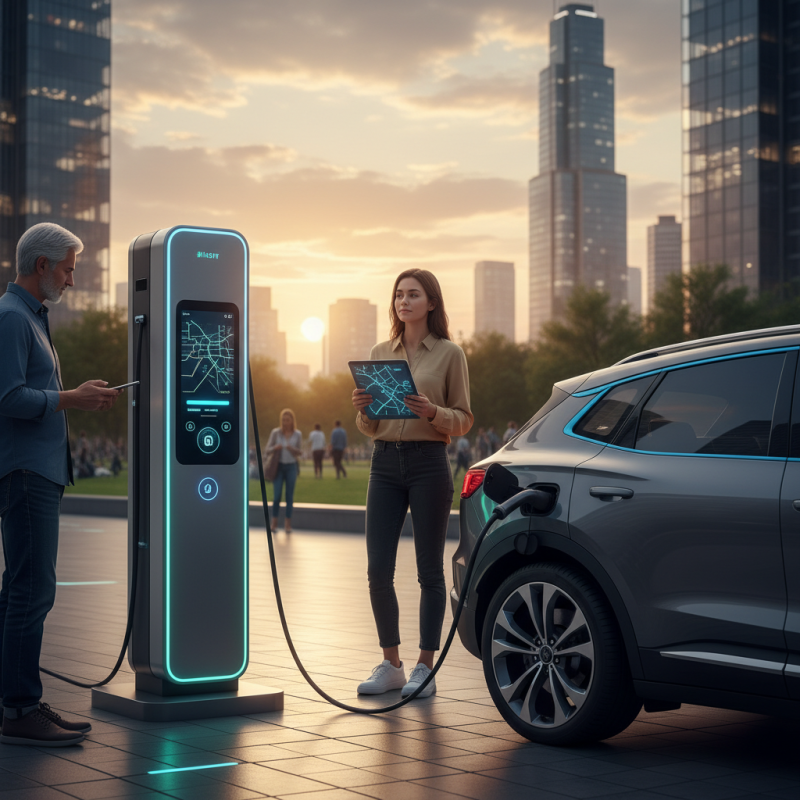
Why Choose App Enabled Charging Stations for Electric Vehicles?

The Rise of Electric Vehicles and the Need for Smart Charging Solutions

The rise of electric vehicles (EVs) has transformed the automotive landscape. People are increasingly choosing EVs for their efficiency and lower environmental impact. As this trend grows, the demand for smart charging solutions becomes more critical. Drivers need access to charging stations that are easy to use and manage. This is where app-enabled charging stations step in.

These smart stations offer numerous benefits. They provide real-time information on station availability and charging speeds. Users can reserve a slot via a mobile app, reducing wait times. Many apps allow users to track their energy consumption and costs. This transparency helps users make informed decisions about their charging habits. However, not all apps are user-friendly, causing frustration. Some features may be lacking or difficult to navigate.

As EV adoption rises, charging infrastructure needs improvement. There are still gaps in coverage, especially in rural areas. Charging speed can also be inconsistent. Drivers may face challenges in locating nearby stations or dealing with technical issues. The solutions must evolve alongside technology to meet user needs more effectively. The future of charging depends on addressing these imperfections head-on.

Advantages of App Enabled Charging Stations over Traditional Options

App enabled charging stations are revolutionizing the way electric vehicle (EV) users charge their cars. Compared to traditional charging stations, these smart options offer unparalleled convenience. Users can track their charging status in real-time using their smartphones. This means no more guessing how much time is left or whether the car is fully charged. Immediate notifications help drivers plan their trips with ease.

Another advantage lies in payment flexibility. Users can pay directly through an app, avoiding cash or card issues at the station. This seamless transaction process reduces the stress of charging. When traveling, finding a charging station with an app is straightforward. Drivers can view the closest stations and check their availability before arriving. The app often provides user ratings and reviews, helping others find reliable options.

However, there are challenges. Not all users are tech-savvy. Some may struggle with app navigation or feel overwhelmed by technology. In addition, connectivity issues can arise. Sometimes, a weak signal disrupts the app's functionality. These are important considerations for potential users. Finding a balance between innovation and usability remains essential as the industry grows.

Industry Statistics on User Engagement with Charging Station Apps

As electric vehicles (EVs) gain popularity, the role of charging station apps becomes crucial. Recent statistics show that over 75% of EV owners utilize charging station apps regularly. These apps streamline the user experience by allowing for easy navigation to available stations. However, some users still report difficulties in finding real-time availability data. This inconsistency can lead to frustration during travel.

Engagement with charging station apps has seen a 40% increase in the last two years. A report indicated that 60% of users check charging station app notifications multiple times a week. Yet, despite high engagement, only 30% feel these apps meet their needs effectively. Users often desire features like route planning and easy payment options. The current offerings sometimes fall short, leaving room for growth.

The landscape is changing quickly. Industry experts estimate that by 2025, app-enabled charging stations could dominate 80% of the market. Still, many apps struggle with integration across different charging networks. Addressing these gaps can enhance user satisfaction and convenience. It is essential to reflect on the continuous improvements needed to optimize user experiences with charging station technology.

Integration of Real-Time Data for Enhanced Charging Efficiency

The integration of real-time data in app-enabled charging stations revolutionizes electric vehicle (EV) charging. Research indicates that optimizing charging can enhance efficiency by up to 30%. Real-time data allows EV owners to monitor station availability, wait times, and energy costs directly from their smartphones. This capability reduces frustration and enhances user experience.

Moreover, real-time updates can help manage grid loads effectively. A report by the International Energy Agency (IEA) reveals that smart charging can save approximately 30-40% on overall energy costs. However, the technology is not without its challenges. Compatibility issues and software updates may hinder user experience. Also, reliance on app connectivity could be problematic in low-signal areas.

Data-driven decision-making leads to increased operational efficiency. Charging station operators can adjust pricing dynamically based on demand. For instance, during peak hours, fees may rise to encourage off-peak usage. It reflects a growing trend towards smarter, more flexible charging solutions. Yet, the technology must continuously adapt to user needs and regional infrastructures. Balancing innovation with practicality is essential for maximizing the benefits of this evolving landscape.

Future Trends in App Enabled Charging Technology for EVs

The electric vehicle (EV) landscape is changing. App-enabled charging stations are at the forefront of this shift. With the rise in smartphone usage, these stations offer convenient ways for users to charge their vehicles. Color-coded maps on apps show available locations in real-time. This instant access changes how drivers plan their trips.

Future trends in app-enabled technology focus on enhancing user experience. For instance, integrating smart payment options is expected. Charging stations may also communicate with vehicles, adjusting charging speeds based on battery levels. Imagine an app that suggests stopovers based on your preferred charging machine.

**Tips:** Always check the app for station availability before you leave. Some locations may have limited slots, which could lead to delays. Additionally, consider downloading several charging apps. Comparing different networks can save both time and money. Planning ahead is key to minimizing frustrations during journeys.

FAQS

: Why are electric vehicles becoming more popular?

: Electric vehicles offer efficiency and lower environmental impact, attracting more drivers.

What are smart charging stations?

Smart charging stations provide real-time info on availability and charging speeds, enhancing user experience.

How can apps improve the charging process?

Apps allow users to reserve slots, track energy use, and check costs, making charging easier.

Are all charging station apps user-friendly?

No, some apps may frustrate users with poor navigation and missing features.

What challenges do EV drivers face with charging?

Drivers may struggle with inconsistent charging speeds, gaps in coverage, and locating stations.

How engaged are users with charging station apps?

Over 75% of EV owners regularly use charging apps, but only 30% feel their needs are met.

What features do users want in charging apps?

Users desire route planning and easy payment options, which some current apps do not provide.

What is the future of charging station apps?

Future trends include enhanced user experiences and smart payment integrations for convenience.

How can drivers prepare for charging challenges?

Check app availability before traveling and download multiple apps for better options.

What changes are expected in the market by 2025?

App-enabled charging stations may dominate 80% of the market, but integration issues still exist.

Conclusion

The article discusses the growing popularity of electric vehicles (EVs) and the corresponding demand for smart charging solutions, specifically focusing on App Enabled Charging Stations. These modern charging stations offer numerous advantages over traditional options, including user-friendly app interfaces that enhance the overall charging experience. Industry statistics reveal high user engagement with these apps, highlighting their effectiveness in facilitating electric vehicle charging.

Moreover, the integration of real-time data in App Enabled Charging Stations significantly improves charging efficiency by providing users with up-to-date information on station availability and charging times. As technology continues to evolve, future trends suggest that app-enabled charging technology will become even more sophisticated, further streamlining the charging process and making it more accessible for all EV users.

Isabella

Isabella

Isabella is a dedicated marketing professional with a sharp focus on driving brand growth and engagement through strategic content creation. With an extensive background in digital marketing, she combines her passion for storytelling with her keen understanding of industry trends to deliver......