How to Efficiently Charge Multiple EVs at Commercial Locations?

Time:2026-05-03 Author:Mason
0%

Charging multiple electric vehicles (EVs) at a commercial site presents unique challenges and opportunities. According to industry expert Dr. Maria Rivera, "Effective planning is essential for efficient EV charging solutions." Her insights highlight the necessity for businesses to develop strategic frameworks that can accommodate growing EV demand.

To effectively charge multiple EVs at a commercial site, one must consider various factors. The location’s layout plays a crucial role in determining the optimal placement of charging stations. Power availability and energy management systems must also be evaluated. Without a solid infrastructure, companies may face energy shortages or long wait times for customers.

Real-world examples reveal both successes and challenges. Some businesses have installed fast chargers but wrongly estimated the demand, causing congestion. Others have effectively implemented a reservation system, enhancing customer satisfaction. Ultimately, a thoughtful approach is vital for those exploring how to charge multiple EVs at a commercial site.
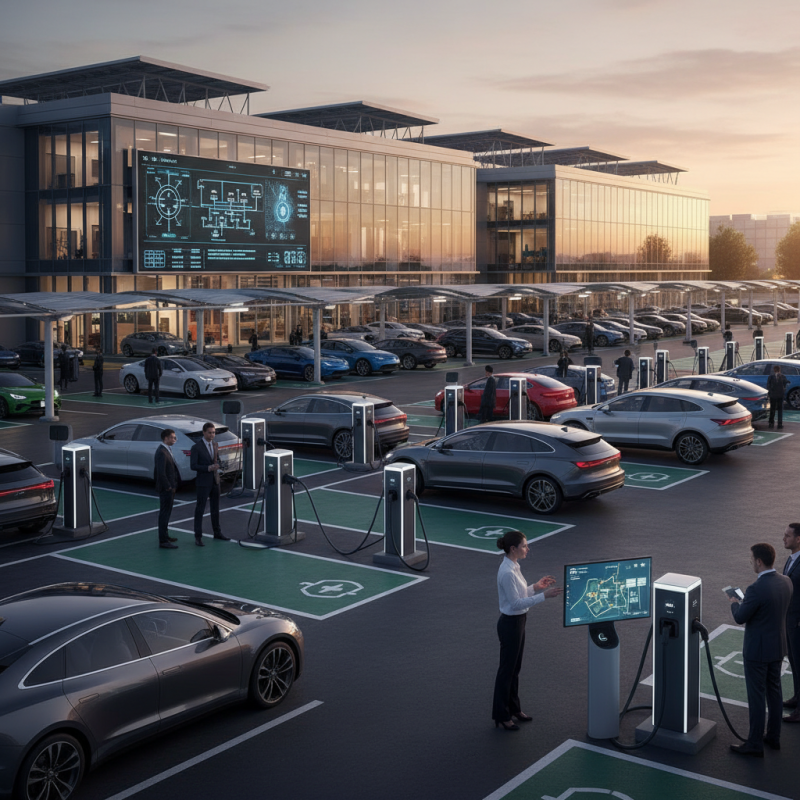
How to Efficiently Charge Multiple EVs at Commercial Locations?

Best Practices for Charging Infrastructure Design in Commercial Spaces

Charging multiple electric vehicles (EVs) at commercial locations poses unique challenges. Efficient infrastructure design is crucial. Companies must consider various factors to maximize performance and energy efficiency.

Proper placement of chargers is vital. You want to ensure easy access for EV owners. Consider high-traffic areas for increased usage. Evaluate your available energy supply. Insufficient power sources can lead to bottlenecks. Collaboration with local utility companies can optimize grid capacity.

Tips for successful charging infrastructure include:

  • **User-friendly signage** improves navigation. Clear instructions help customers.
  • **Monitor usage patterns** to adapt charging stations. This offers insights into peak hours and demand.
  • **Incorporate flexible charging solutions**. Allow for adaptation as technology advances.
Investing in robust infrastructure today will pay off in the long run. However, keep innovating and adjusting to meet evolving needs. Addressing limitations now can prevent bigger issues later. Embrace feedback from users to enhance the overall experience.

Evaluating Different Charging Solutions for Multiple Electric Vehicles

Charging multiple electric vehicles (EVs) at commercial locations is becoming increasingly essential. Reports indicate that by 2030, the number of EVs on the road will surpass 140 million in the U.S. alone. This surge necessitates efficient and scalable charging solutions to meet the growing demand. Various charging technologies, such as Level 2 chargers and DC fast chargers, provide different benefits depending on location and usage pattern.

When evaluating charging solutions, consider the peak usage hours. Businesses often experience high foot traffic during specific times. Hence, strategically placing chargers in key areas can maximize visibility and accessibility. A recent study highlighted that locations with high EV charger density saw a 30% increase in customer dwell time, enhancing potential sales opportunities.

**Tips:** Assess your energy supply to ensure it can handle multiple fast chargers simultaneously. Grid integration solutions can optimize energy usage and reduce costs. Additionally, monitor usage patterns and adjust your strategy to improve efficiency. Implementing a robust management system for your charging stations can provide valuable insights for future decisions. Remember, adaptability in strategy is key as technology and customer expectations continue to evolve.

Understanding Charging Speed: Level 1 vs. Level 2 vs. DC Fast Chargers

Charging electric vehicles (EVs) at commercial locations is becoming increasingly important. Understanding the types of chargers is key. Level 1 chargers are the slowest, using a standard 120-volt outlet. They add about 4 to 5 miles of range per hour. While cost-effective, they are impractical for businesses needing rapid turnover.

Level 2 chargers offer a better solution. These units use a 240-volt outlet and can deliver 10 to 60 miles of range per hour. According to a recent report by the U.S. Department of Energy, businesses that install Level 2 chargers see a quicker return on investment. The upfront cost may be higher, but the charging speed helps attract and retain customers.

DC Fast Chargers are the most advanced. They can provide 60 to 100 miles of range in just 20 minutes. However, their installation is complex and costly. A balance must be struck between investment and utility. Location and expected vehicle turnover should guide decisions.

Tip: Assess the average time customers spend at your location. If they stay for an hour, Level 2 chargers might suffice.

Tip: Consider future-proofing your location. If demand for EVs increases, having DC Fast Chargers could enable competitive advantages.

Regular monitoring of charging performance is essential. This ensures that the chargers meet growing user expectations and adapt to evolving technology.

Optimizing Energy Usage: Demand Response and Smart Charging Strategies

Charging multiple electric vehicles (EVs) at commercial locations can be challenging. Efficient energy usage is key. Implementing demand response strategies helps manage energy consumption better. Businesses can work with utilities to adjust charging loads based on energy availability. This ensures a balanced grid without overwhelming it. A dynamic pricing model can encourage users to charge during off-peak hours.

Smart charging strategies enhance this process. By using real-time data, systems can prioritize EVs based on their state of charge and required power. This allows for effective scheduling. Businesses can save costs and reduce strain on local infrastructure. A combination of technology and collaboration with energy providers fosters smarter energy management.


However, there are pitfalls to consider. Not all charging stations may support advanced strategies. Some businesses might lack the expertise to manage these systems. As businesses adopt these practices, they must ensure they have the necessary infrastructure in place. Training staff and understanding the technology is essential for successful implementation. Each location’s unique needs require tailored approaches for efficient charging solutions.

Regulatory Considerations and Incentives for EV Charging Installations

When considering the installation of EV charging stations in commercial locations, regulatory guidelines play a crucial role. Many local governments offer incentives to encourage these installations. According to the U.S. Department of Energy, businesses can access grants up to $500,000 for setting up EV charging infrastructure. Additionally, tax credits may apply for both installation and operational costs, making it financially viable for companies.

Regulatory frameworks can vary significantly. It’s essential to research the specific requirements in your area. Some municipalities require compliance with building codes, safety regulations, and even environmental assessments. Ignoring these factors may lead to costly delays or penalties.

Tip: Engage with local authorities early. This can ease the path to compliance and help you leverage available incentives.

Public and private partnerships are also on the rise. Programs like the National Electric Vehicle Infrastructure (NEVI) are designed to support infrastructure improvements. By collaborating with local governments or utilities, businesses can share costs and create more efficient charging networks.

Tip: Consider forming a coalition with nearby businesses. This approach can reduce costs and increase the availability of shared charging facilities.

Understanding these regulatory considerations and incentives is key to effectively charging multiple EVs at commercial locations. It requires ongoing research and adaptability to changes in policy to maximize the benefits.

Charging Demand for Electric Vehicles at Commercial Locations

FAQS

: What are the different types of EV chargers available?

: There are Level 1, Level 2, and DC Fast Chargers. Each has different charging speeds and costs.

How fast do Level 2 chargers provide range?

Level 2 chargers can add 10 to 60 miles of range per hour. They are ideal for businesses needing quicker turnover.

What is the main advantage of DC Fast Chargers?

DC Fast Chargers can provide 60 to 100 miles of range in just 20 minutes. They are advanced but costly to install.

How can businesses ensure they meet energy needs for multiple chargers?

Assess your energy supply. Use grid integration solutions for better energy management and cost reduction.

What incentives exist for installing EV charging stations?

Local governments may offer grants and tax credits. Up to $500,000 is available for setting up charging infrastructure.

Why is monitoring charger performance important?

Regular monitoring meets user expectations and adapts to technology changes. It helps in planning future upgrades.

How can businesses adapt to changes in EV demand?

Future-proof your location by considering DC Fast Chargers. They can provide competitive advantages if demand increases.

What should businesses consider regarding local regulations?

Research local guidelines, including safety and building codes. Ignoring them could lead to delays or fines.

What benefit comes from local partnerships for EV charging?

Collaborating with local entities can reduce costs. Shared facilities increase availability and efficiency for all businesses involved.

Conclusion

Effectively charging multiple EVs at a commercial site requires careful planning and implementation of best practices in charging infrastructure design. Key considerations include assessing the space layout to accommodate various charging solutions, evaluating options such as Level 1, Level 2, and DC fast chargers based on user needs, and optimizing energy consumption through demand response and smart charging strategies.

Moreover, understanding regulatory considerations and available incentives can significantly enhance the feasibility of EV charging installations. By implementing these strategies, businesses can create a robust charging environment that supports multiple electric vehicles, ensuring efficiency and convenience for users while maximizing the benefits of sustainable transportation.

Mason

Mason

Mason is a seasoned marketing professional with a deep expertise in the company's offerings and a passion for driving brand awareness. With a strong background in digital marketing strategies, he has an innate ability to connect with diverse audiences and effectively communicate product benefits.......