In today's energy-conscious world, understanding how to monitor energy usage of AC chargers is crucial. Experts like Dr. Emily Solis emphasize, "Efficient energy tracking not only saves money but also supports sustainability efforts." This highlights the importance of vigilant energy management in our homes and workplaces.
With the rise of electric vehicles, the demand for AC chargers has grown. Many users are unaware of their charger’s energy consumption patterns. Monitoring these patterns can reveal surprising insights that help ensure efficient energy use. By utilizing smart meters and apps, users can gain real-time data about their chargers. This information can be pivotal in lowering energy costs and enhancing efficiency.
However, many people still find it challenging to track their energy usage effectively. The complexity of available technologies can lead to confusion. Despite the tools at our disposal, not everyone fully utilizes them. It's essential to improve our understanding and habits surrounding energy monitoring, as it directly impacts both our finances and the environment.
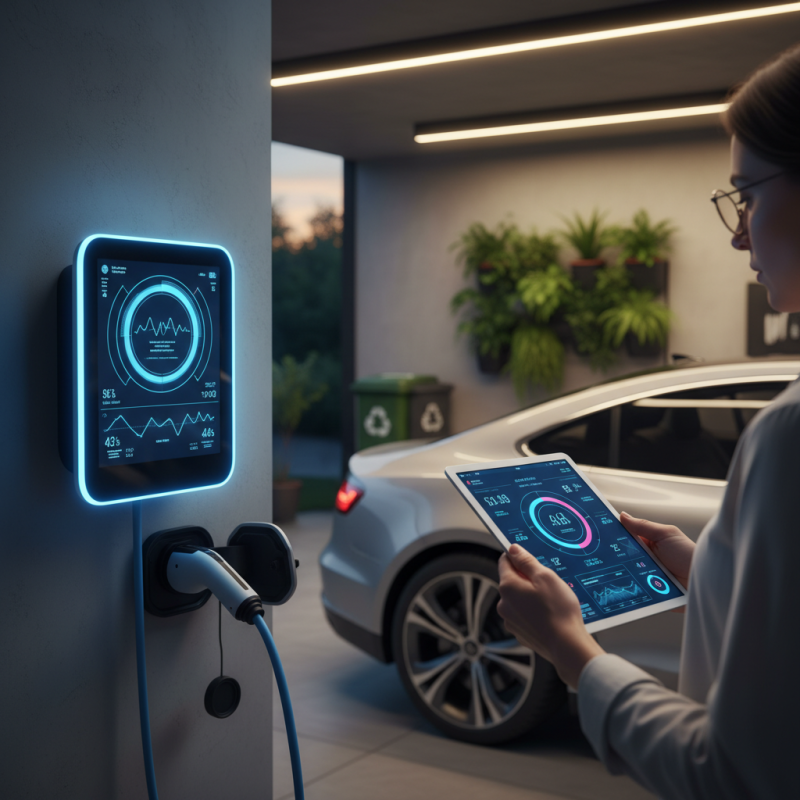
Monitoring AC charger energy usage offers numerous benefits for both users and the environment. By tracking energy consumption, you can identify cost savings and improve efficiency. The U.S. Department of Energy reports that electric vehicle (EV) owners can save up to 50% on fuel costs by optimizing their charging strategies. Keeping an eye on energy use also helps reduce greenhouse gas emissions. According to the International Energy Agency, the transportation sector accounts for 24% of global CO2 emissions. Thus, monitoring your energy usage becomes a crucial step towards sustainability.
Implementing energy monitoring systems provides insights into your charger’s performance. These systems can alert you to inefficiencies, encouraging better charging habits. For instance, charging during off-peak hours can significantly reduce costs. A study from the Electric Power Research Institute indicates that charging during these times could lower your energy bill by approximately 20%.
Tips: Use energy monitoring apps to track your usage easily. Set reminders for charging times to optimize costs. Assess your charger’s power ratings regularly to ensure it operates effectively. Monitoring energy usage not only enhances your budget but also promotes a healthier planet. While these methods are effective, remember that energy consumption varies significantly among users. Continuous reflection on your practices is essential for improvement.
Understanding your AC charger energy consumption patterns can be quite revealing. Many users underestimate how much energy their chargers consume. Even when not in use, chargers can still draw power, a phenomenon known as phantom load. Monitoring this can lead to significant savings on your electricity bill.
To gain insights into your energy usage, keep a log of your charging habits. Note how long you typically charge your devices and their energy consumption. Use a smart meter or an energy monitor to better visualize this data. Seeing the numbers can be eye-opening and even a bit shocking. You may find opportunities to charge less frequently or at off-peak times.
Reflect on the usage patterns that emerge. Are you leaving chargers plugged in unnecessarily? It’s essential to recognize these energy-wasting habits. Small changes can make a big difference. Awareness of your charger’s energy consumption is the first step toward a more sustainable lifestyle. The goal is not just to save money but to contribute positively to energy conservation.
Monitoring your AC charger energy usage is crucial for both environmental and economic reasons. Various tools and devices exist to help track your energy consumption accurately. Smart plugs and energy monitors are popular options. These devices can provide real-time data on how much power your charger uses. According to the U.S. Energy Information Administration, the average American household spends about $2,000 annually on energy—a portion of which comes from chargers left plugged in unnecessarily.
Using an energy monitor can help identify heavy usage patterns. Some monitors offer insights into usage trends over time. This can illuminate habits that may need adjustment. Reports show that appliances in standby mode account for 10% of residential electricity use. By simply plugging your charger into an energy monitor, you can track the kilowatt-hours consumed, making it easier to manage your energy costs efficiently.
Consider setting monthly energy usage goals based on your monitor's data. Regularly reviewing this information can unveil opportunities for savings. Sometimes, you might overestimate your charger’s energy consumption. Double-checking your data can prevent unnecessary adjustments. Create a habit of unplugging chargers when not in use to cut down on phantom loads. This small change can lead to noticeable savings over time.
Monitoring energy usage with your AC charger is crucial. Start by using a smart energy meter. This device measures how much energy your charger consumes. By tracking this data, you can identify patterns. It helps you see when you use the charger most, allowing for better planning.
Reducing energy waste is about mindful habits. Unplug the charger when not in use. Even when not connected to a device, chargers can draw power. If you notice your charger still consumes energy, consider adjusting your routine. Charge your devices during off-peak hours. This not only saves energy but can lower costs too.
It’s essential to reflect on your charging habits. Overcharging devices can lead to energy waste. Try setting alarms for charging times. Be aware that some chargers have built-in protections. They stop charging devices when full. If yours doesn’t, think about replacing it. This small change can make a big difference in energy conservation efforts.
The above chart illustrates the daily energy usage of an AC charger throughout the week. Monitoring these patterns can help identify peak usage days and optimize charging schedules to minimize energy waste.
Integrating smart technology into your energy monitoring system can significantly enhance your AC charger usage efficiency. Smart meters and IoT devices provide real-time data on energy consumption. With user-friendly apps, you can track usage patterns easily. This information helps you to identify the best charging times to take advantage of off-peak rates.
Using sensors and plugins, you gain insights into energy hogs. These devices can send alerts when energy usage spikes unexpectedly. Implementing routines based on your patterns can lead to substantial savings. For instance, setting your AC charger to operate during non-peak hours can lower costs.
However, integrating smart devices isn't always straightforward. Compatibility issues may arise with older systems. Also, not all smart devices provide accurate readings. Regularly calibrating your devices is essential to maintain reliability. This ongoing effort can help ensure that your energy monitoring remains effective and trustworthy.
: Phantom load refers to the energy that chargers draw even when not in use. It's often underestimated.
Keeping a log of your charging habits can help. Use a smart meter for clear data visualization.
Chargers can still draw power when plugged in, leading to unnecessary energy waste. Unplugging them can save costs.
Charge during off-peak hours and avoid overcharging. Set alarms for better time management.
Tracking usage patterns can reveal opportunities to reduce energy and save money on your bill.
If it still draws power, consider adjusting your routine or replacing the charger with a more efficient model.
Efficiently monitoring your AC charger energy usage can lead to significant benefits, including reduced energy costs and a more sustainable lifestyle. Understanding your energy consumption patterns is crucial; this can help identify peak usage times and areas where improvements can be made. There are various tools and devices available for tracking energy usage, such as smart plugs and energy meters, which provide real-time data and insights.
Implementing best practices for reducing energy waste is essential for maximizing efficiency. This includes ensuring chargers are used only when necessary and optimizing charging times. Additionally, integrating smart technology can enhance energy monitoring by automating alerts and providing detailed analytics. Ultimately, learning how to monitor energy usage of AC chargers enables users to take control of their energy consumption, promoting a more energy-efficient future.

Walnut Charger