10 Tips to Expand Your Home Charging Setup Efficiently

Time:2026-08-31 Author:Oliver
0%

As electric vehicles become more popular, the need for convenient home charging setups grows. Understanding how to expand home charging setups can make a significant difference. With the right approach, homeowners can enhance their charging efficiency and convenience.

Many seek to ensure that their charging stations meet both current and future needs. This often involves considering factors like power capacity, installation space, and user habits. Expanding your setup may initially seem daunting, but it can be a rewarding experience when done correctly.

Some homeowners may overlook their electricity capacity or the placement of chargers. Reflecting on these details is crucial. Upgrading your infrastructure can seem costly, yet it often pays off in the long run. Balancing practicality and efficiency serves as a guiding principle in this journey. Exploring these tips not only improves your charging capacity but also prepares you for innovations in electric vehicle technology.
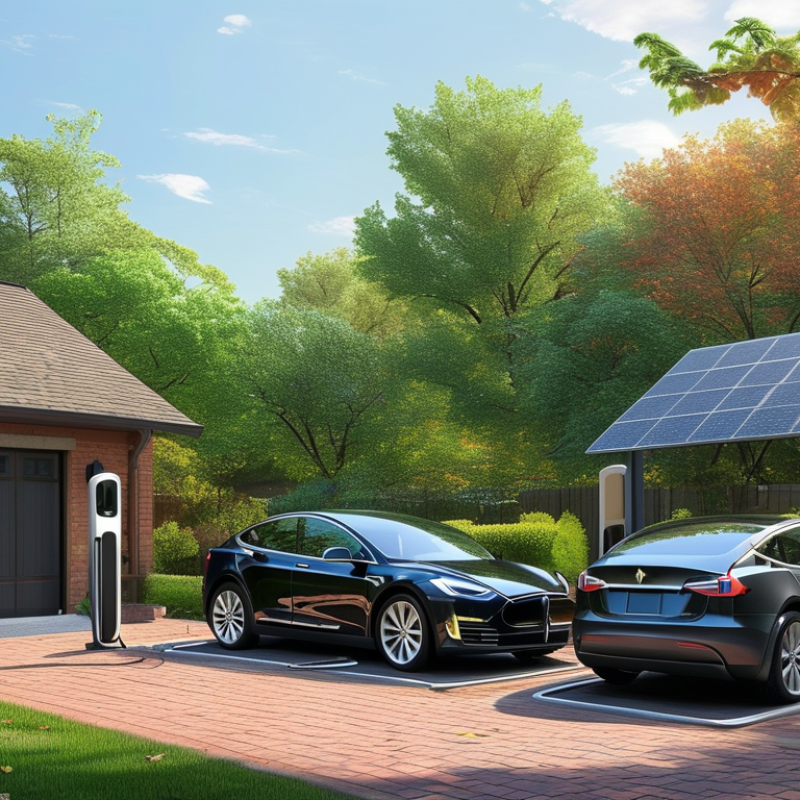
10 Tips to Expand Your Home Charging Setup Efficiently

Assessing Your Home's Electrical Capacity for EV Charging

Assessing your home’s electrical capacity is crucial when planning for EV charging. Many homeowners overlook this step, leading to suboptimal charging setups. According to the U.S. Department of Energy, most home charging systems require a dedicated circuit. This often means upgrading your electrical panel. If your home was built over 20 years ago, it may not support the increased load.

A typical Level 2 EV charger needs around 240 volts and can draw 30 to 40 amps. Not all homes are equipped to handle this. A comprehensive electrical audit will help identify your home’s current capacity. Many homes have a standard 100 amp service, which might not accommodate additional load from an EV charger. If you plan to install more circuits for other devices, your capacity could be stretched even thinner.

Homeowners must evaluate not only the electrical panel but also the overall wiring and breakers. An inspection often reveals outdated wiring that could pose safety risks. The National Fire Protection Association indicates that improper installations account for 12% of electrical fires. Consulting with an electrician can mitigate these risks and guide necessary upgrades. It’s essential to approach this project with careful planning and consideration of your home's unique electrical setup.

Choosing the Right EV Charger for Your Needs

Selecting the right EV charger involves understanding your specific needs. You must consider your vehicle's specifications. Some models require higher amperage, while others are compatible with standard outlets. Evaluate your driving habits too. If you frequently take long trips, a faster charging option might be necessary.

Home charging can be enhanced with the right installation. It’s essential to consult a professional for wiring and amperage needs. A poorly installed charger can lead to inefficiency or safety hazards. Think about your home’s layout as well. Accessibility plays a critical role; ensure the charger is convenient for daily use.

Lastly, be aware of evolving technology. Features like smart charging can optimize energy use, adjusting charging times based on electricity rates. However, these technologies require regular updates and monitoring. Stay informed to make the most of your charging setup and learn to adapt as your needs change.

Implementing Smart Charging Solutions for Efficiency

Implementing smart charging solutions can transform your home charging setup into a model of efficiency. Many homeowners underestimate the value of smart technology. Simply having a charging station isn't enough. Consider integrating a smart charger that can adjust charging times based on electricity rates. This can lead to significant savings on your energy bill.

Energy management systems can optimize charging schedules as well. They can monitor your energy consumption and decide the best times for charging. This minimizes peak usage, which is often more expensive. Users may find that not all devices need fast charging. Slower charging overnight can be sufficient and cost-effective.

Reflect on your current setup. Is it tailored to your routine? Analyze patterns in your energy use and see if there's room for improvement. Investing in smart technology requires some initial thought, but the long-term benefits often outweigh the costs. Smart solutions should evolve with your needs, so be open to adjustments as technology advances.

Integrating Solar Power into Your Home Charging Setup

Integrating solar power into your home charging setup can significantly enhance efficiency. According to the National Renewable Energy Laboratory, homes with solar energy systems can reduce their electric bills by up to 70%. This shift not only supports sustainability but also provides a favorable return on investment. Home solar installations have seen an increase of 23% annually, making it a practical choice.

To maximize your solar integration, consider adding a battery storage system. This allows you to store excess energy generated during the day. Using this stored power at night can lower dependence on grid energy. It's essential to assess your energy consumption patterns. Tailoring your solar setup to match daily needs can improve efficiency.

Utilizing smart technology can also enhance your setup. Smart chargers can optimize your charging schedule based on solar output. This can significantly improve energy usage. Keep in mind that maintaining your solar panels is crucial. Dirty panels can reduce efficiency by 20% or more. Regular cleaning ensures maximum energy capture and a more robust home charging experience.

10 Tips to Expand Your Home Charging Setup Efficiently - Integrating Solar Power into Your Home Charging Setup

Tip Description Benefits Considerations
1. Assess Your Current Setup Evaluate your existing charging options and solar panel efficiency. Improved efficiency and potential cost savings. Possible need for professional assessment.
2. Invest in Quality Solar Panels Choose high-efficiency solar panels for better output. Increased energy production and durability. Higher upfront costs.
3. Use a Smart Solar Charger Install chargers that optimize solar energy use. Maximized charging efficiency and automation. May require additional setup and learning.
4. Optimize Battery Storage Integrate batteries to store solar energy for use. Reliable power during outages, and off-peak usage. Battery management and potential degradation.
5. Schedule Charging Times Program charging during peak solar production times. Reduces energy costs and optimizes use. Requires knowledge of solar production patterns.
6. Monitor Energy Use Use energy management systems to track usage. Identifies inefficiencies and saves costs. May involve additional hardware or costs.
7. Plan for Future Expansion Design your setup for potential future upgrades. Eases the addition of new technologies. Initial planning may be complex.
8. Consider Incentives and Rebates Research local or federal programs for savings. Financial savings and encouragement for sustainable energy. Varied availability based on location.
9. Maintain Your System Regularly Perform regular checks and maintenance on equipment. Maximizes lifespan and efficiency of equipment. Requires time and sometimes professional service.
10. Educate Yourself and Family Learn about solar energy advantages and systems. Informed users can make better decisions. Time investment for education required.

Planning for Future Expansion and Technology Upgrades

When planning for future expansion of your home charging setup, it's essential to think ahead. The rapid evolution of charging technology means your current system may quickly become outdated. Consider building infrastructure that accommodates upgrades. A larger circuit breaker or extra outlets can greatly simplify future enhancements.

Incorporate flexibility into your design. Leave space for additional charging points. This not only saves time but also ensures you won't have to redo significant installations later. While it may seem tempting to maximize current capacity, it's wise to hold some capacity in reserve for potential higher demand.

Don’t overlook the importance of software updates and smart technology. Many new chargers offer capabilities that can be enhanced with simple updates. This adaptability can extend the life of your system. Thinking about possible integrations with home automation systems can also offer future benefits. Remember, the charging landscape evolves quickly, and what works today may not work tomorrow. Taking these steps can ensure your setup remains capable for years to come.

FAQS

: How do I choose the right EV charger?

: Consider your vehicle's specifications and amperage needs. Evaluate your driving habits too.

What should I think about for home charging installation?

Consult a professional for installation. Accessibility is key for daily use.

Can a poorly installed charger be dangerous?

Yes, poor installation can lead to safety hazards and inefficiency. Ensure it's done correctly.

How can solar power improve my home charging setup?

Solar power can significantly reduce electric bills, improving efficiency and sustainability.

What is the benefit of a battery storage system?

It stores excess solar energy for use at night, lowering grid dependency.

How can I optimize my solar charging schedule?

Use smart chargers that adjust based on solar output for better energy use.

Why is regular maintenance of solar panels important?

Dirty panels can reduce efficiency by over 20%. Regular cleaning is necessary.

Is it worth investing in solar for home charging?

Yes, it can provide a favorable return on investment and support sustainability.

How do charging habits affect charger selection?

Frequent long trips require faster charging options. Adapt your charger choice accordingly.

What if I don't keep up with technology updates?

Failing to update can result in lost efficiency and missed benefits. Stay informed.

Conclusion

In today's world, efficiently expanding your home charging setup for electric vehicles (EVs) is crucial. To begin, it's important to assess your home's electrical capacity for EV charging, ensuring that you have adequate power supply to support your charging needs. Next, choosing the right EV charger tailored to your usage patterns will enhance convenience and efficiency.

Additionally, implementing smart charging solutions can optimize energy consumption, while integrating solar power into your system not only promotes sustainability but also can reduce overall costs. Finally, when learning how to expand home charging setups, it's vital to plan for future expansions and potential technology upgrades to keep pace with advancements in EV charging technology. With these considerations, you can create an efficient and sustainable home charging environment.

Oliver

Oliver

Oliver is a seasoned marketing professional with a wealth of expertise in driving brand awareness and engagement. With a deep understanding of our company's product offerings, he consistently delivers high-quality content that enriches our professional blog. His insights not only shed light on......