In today’s evolving transportation landscape, optimizing AC charging for fleet vehicles is crucial. With growing interest in electric fleets, effective charging solutions can boost overall efficiency. Industry expert Dr. Emily Chen emphasizes the importance of this optimization. She states, “Efficient charging strategies can reduce downtime and operational costs for fleet managers.”
Achieving this goal requires a blend of technology and strategy. Fleet managers must examine charging locations, schedules, and charging levels. Smart charging systems can play a vital role. They can analyze energy demand patterns and optimize usage accordingly. Real-time data monitoring can significantly enhance decision-making. However, challenges remain in ensuring accessible infrastructure.
The journey to master how to optimize AC charging for fleet vehicles may not be straightforward. Fleets need to continually assess their charging practices. Finding the right balance between cost and efficiency is not easy. But as the electric vehicle market grows, the rewards of effective charging strategies become increasingly clear. Cost-effective charging will shape the future of fleet operations.
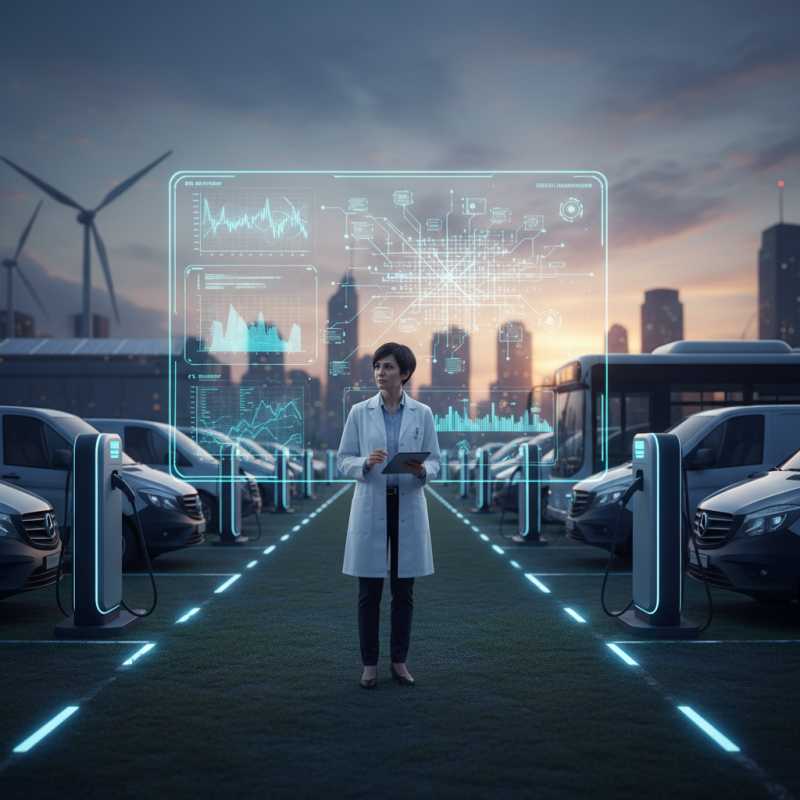
Optimize AC Charging for Fleet Vehicles to Boost Efficiency
Electric vehicle (EV) fleets are becoming popular as cities aim for greener transport solutions. However, charging these vehicles efficiently remains a challenge. Studies show that fleet managers can optimize AC charging via smart scheduling. For instance, the U.S. Department of Energy highlights that smarter charging can reduce costs by up to 50%. Leveraging real-time data can help in predicting when and where to charge.
Fleet vehicles typically have specific usage patterns. Analyzing these patterns allows for better charging strategies. A report by the International Energy Agency indicates that aligning charging times with off-peak electricity rates can save fleet operators significantly. This approach also eases the strain on the grid during peak demand hours.
Still, there are hurdles to address. Many fleet operators lack access to advanced charging infrastructure. This gap can lead to inefficient charging and increased operational costs. Moreover, not all drivers are trained to maximize the benefits of AC charging. Without proper training, the potential savings could be unrealized. Understanding these challenges is crucial for improving fleet charging efficiency.
Current Trends in Fleet Vehicle Electrification and Charging Needs
The electrification of fleet vehicles is rapidly transforming the transportation sector. Companies are recognizing the importance of AC charging in optimizing their operations. This technology supports various charging levels, which can be adapted to different fleet needs. Operating costs can be reduced through efficient charging strategies, yet the infrastructure is often inadequate.
Current trends reveal a push towards more robust charging networks. Fleets are considering the location and availability of charging stations. An efficient charging schedule can enhance vehicle uptime. However, there are challenges. Not every route has reliable access to charging. Managers are often faced with logistical hurdles. Adapting to these demands requires innovative thinking and careful planning.
Furthermore, as electric fleets grow, companies must analyze data on usage and charging patterns. Some fleets might not fully utilize their available charging times. This presents an opportunity to optimize schedules further. Employees must engage in training to optimize charging practices. This emphasizes the need for a consistent approach to fleet management. Exploring these aspects may reveal significant gaps that need addressing for a more efficient future.
The Impact of Charging Infrastructure on Fleet Operational Efficiency
The effectiveness of fleet operations hinges significantly on the
quality of charging infrastructure. A well-designed
charging network ensures that electric vehicles are ready for daily tasks.
Inadequate charging stations can disrupt schedules and reduce productivity.
For instance, long charging times can lead to vehicles
being out of service when they are needed most.
Moreover, the location of charging stations plays a critical role. Stations should be strategically
placed close to common routes. This minimizes downtime and helps maximize
utilization. However, not all fleets invest in optimal charging setups. Some may overlook this
aspect, resulting in inefficiencies. It's important for fleet managers to analyze their operational
routes when planning charging infrastructure.
Lastly, regular assessments of charging demand can reveal gaps in the existing network.
These assessments can guide future investments. Fleets must remain adaptable, continuously
improving their infrastructure. The goal is to enhance operational efficiency while minimizing
costs. Inefficiencies in charging habits can ultimately
hamper performance, highlighting the need for ongoing reflection and adjustment.
Data-Driven Approaches to Optimize AC Charging Schedules
As fleet vehicles increasingly adopt electric technology, optimizing AC charging schedules becomes crucial. Data-driven methods can enhance charging efficiency significantly. Analyzing historical usage patterns helps predict demand and adjust charging times accordingly. This results in better energy management and cost savings.
Real-time data collection presents both opportunities and challenges. For instance, monitoring vehicle usage patterns requires substantial infrastructure investment. Additionally, discrepancies may arise between anticipated and actual usage, complicating scheduling efforts. However, utilizing advanced algorithms can improve predictive accuracy, minimizing these inconsistencies.
Collaboration among fleet managers and data analysts can create robust charging strategies. By sharing insights, teams can better understand peak consumption times. This journey may not be perfect; it involves trial and error. Learning from past mistakes is essential for continuous improvement in charging operations, leading to greater overall efficiency and sustainability in fleet management.
Optimize AC Charging for Fleet Vehicles to Boost Efficiency
This chart illustrates the optimization of AC charging schedules for fleet vehicles over a five-week period, showing both the average charging time and vehicle utilization rate. The data suggests improved efficiency as charging times decrease while utilization rates increase.
Cost-Benefit Analysis of Different AC Charging Strategies for Fleets
Optimizing AC charging strategies for fleet vehicles can significantly enhance operational efficiency. A recent report from the International Council on Clean Transportation indicates that the average cost of electricity for fleet charging ranges between $0.10 to $0.20 per kWh. Understanding these costs is essential for making informed decisions about charging infrastructure.
There are various charging strategies to consider: smart charging, time-based control, and priority scheduling. Smart charging can reduce energy costs by shifting charging periods to off-peak hours, potentially saving fleets 25% on energy bills. However, these strategies require robust data management systems. Many fleets struggle with implementation due to initial costs or lack of expertise in analyzing energy consumption data.
Tips: Evaluate your fleet's charging patterns regularly. Small adjustments can lead to better energy management. Collaborate with charging solution providers to find the best fit for your operations.
Another factor is the total cost of ownership (TCO). A recent study found that fleets could save approximately $5,000 annually per vehicle on operating costs through efficient charging strategies. Yet, many fleets overlook TCO in favor of immediate gains. Addressing this mindset can lead to more sustainable operations in the long run.
Case Studies: Successful Implementation of AC Charging Solutions in Fleets
Optimizing AC charging solutions for fleet vehicles can lead to remarkable efficiency improvements. According to industry reports, fleets adopting AC charging systems save up to 30% in energy costs. This demonstrates the potential for significant operational savings. A case study on a regional delivery fleet shows how they achieved an 80% reduction in charging time by optimizing their charging infrastructure.
Another example involves a municipal bus fleet that integrated smart charging solutions. This system schedules charging based on energy demand and operational needs. The outcome was a 20% increase in vehicle availability during peak hours. However, challenges remain. Deployment costs and infrastructure upgrades can pose hurdles. Additionally, integration with existing systems requires careful planning. These factors must be addressed to maximize the benefits of AC charging.
Moreover, some fleets report inconsistent charging experiences, highlighting the need for standardization in charging equipment. While many fleets benefit from AC solutions, not all operators achieve optimal performance. Continuous monitoring and adjustments are essential. This reflective practice can help fleets uncover insights to further enhance their charging strategies.
FAQS
C charging for their vehicles?
Aligning charging times with off-peak rates can lead to significant savings. Studies indicate improvements can be around 50%.
Real-time data helps predict demand and adjust charging schedules. This enhances energy management and reduces operational costs.
Many operators lack advanced infrastructure and training for drivers. This gap can lead to inefficiencies and missed savings.
Analyzing historical patterns allows for better predictions on when and where to charge. This helps in making informed scheduling choices.
Collaboration among fleet managers and analysts generates better insights into peak times. This teamwork fosters innovative charging solutions.
Challenges include high infrastructure costs and differences between expected and actual vehicle usage. Each of these can complicate the scheduling process.
Proper training helps drivers understand how to maximize AC charging benefits. Without it, potential savings might not be realized.
Continuous improvement comes from learning through trial and error. Reflecting on past experiences is vital for refining charging operations.
Conclusion
In today's rapidly evolving landscape of fleet vehicle management, understanding how to optimize AC charging for fleet vehicles is crucial for enhancing operational efficiency. The electrification of fleet vehicles is gaining momentum, with an increasing need for efficient charging solutions. This article delves into current trends in fleet vehicle electrification and outlines the significant impact of charging infrastructure on operational efficiency.
Moreover, a data-driven approach is essential in developing effective charging schedules, allowing fleet operators to maximize vehicle uptime while minimizing energy costs. A comprehensive cost-benefit analysis of various AC charging strategies provides insights into the most effective methods for fleet optimization. Finally, case studies illustrate successful implementations of AC charging solutions, showcasing best practices and lessons learned that can guide fleet managers in making informed decisions. Through strategic implementation of these insights, fleets can significantly boost their efficiency and sustainability.

 Walnut Charger