The surge in electric vehicle (EV) adoption has significantly increased the demand for commercial AC chargers. According to the International Energy Agency, there were over 10 million EVs on the roads globally in 2020, a figure expected to double by 2025. This growing trend emphasizes the importance of optimizing billing for commercial AC chargers effectively.
John Smith, an industry expert from GreenCharge Solutions, states, “Efficient billing systems are crucial for the sustainability of charging infrastructure.” His insights underline the need for clear pricing models that not only benefit providers but also users. Complex billing methods can confuse customers and deter potential EV owners.
Focusing on how to optimize billing for commercial AC chargers is essential for enhancing user experience. Various billing strategies must be evaluated to ensure they meet the evolving needs of the industry. As charging technology improves, so must the understanding of user behavior and preferences around billing. Addressing this complexity often presents challenges that require careful consideration and adaptability.
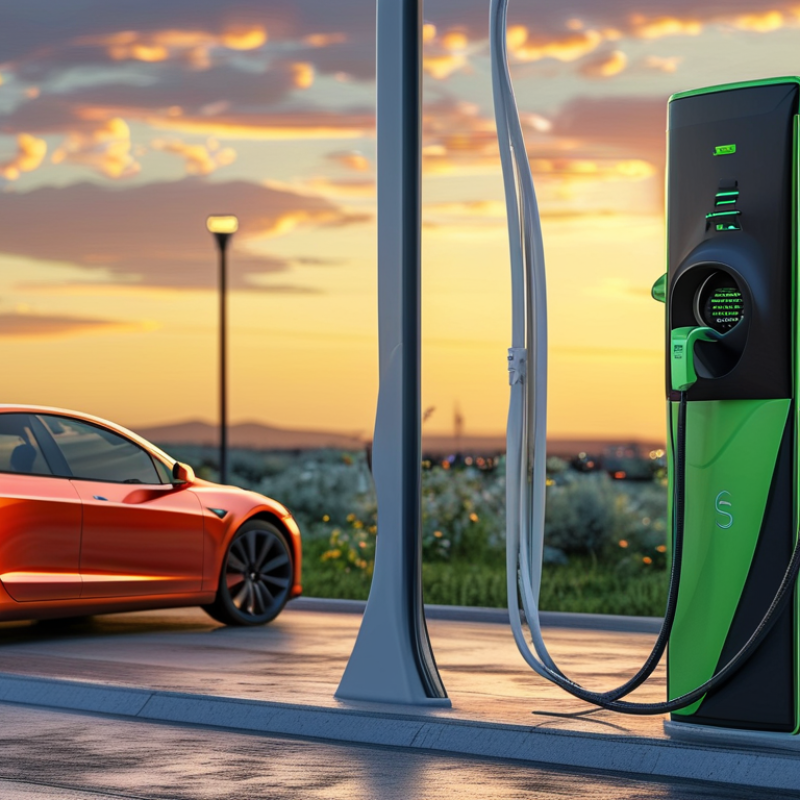
Billing optimization in AC charging stations is crucial for maximizing revenue streams. Effective billing strategies can minimize operational costs while enhancing user satisfaction. Research indicates that nearly 70% of users prioritize pricing transparency and efficiency. Thus, clear communication of costs can significantly influence user engagement and trust.
Many charging station operators encounter billing system inefficiencies. These can lead to errors and user dissatisfaction. One survey found that up to 25% of users experienced billing discrepancies. This results in frustration and loss of potential customers. Implementing automated billing systems can streamline operations and reduce human error. Moreover, adopting flexible pricing models—like subscription plans or time-based rates—can appeal to diverse consumer needs.
Understanding demographic trends is essential for optimizing billing. For instance, studies show that millennials are more likely to use charging stations with transparent pricing and rewards. Addressing this consumer expectation requires a data-driven approach to pricing strategies. As the electric vehicle market continues to grow, meeting user demands through thoughtful billing practices will become increasingly important.
C charging stations?
Users prioritize clear communication of costs. Nearly 70% of them value pricing transparency, which builds trust.
Many users experience billing discrepancies. Surveys indicate that up to 25% report errors, leading to frustration.
Implementing automated billing can reduce human error. Flexible pricing models can also meet different consumer needs.
Millennials prefer charging stations with clear pricing. They seek transparency and rewards, highlighting the need for data-driven strategies.
Regulations require standardized billing and clear pricing labels. This helps improve user understanding and trust in the system.
Outdated billing systems can lead to inefficiencies. Data inconsistencies may cause incorrect charges, hurting customer satisfaction.
Keeping up with changes in regulations is vital. A systematic review can reveal gaps in compliance and user satisfaction.
Varied pricing models can confuse users. Uncertainty about costs may deter frequent usage of charging stations.
Businesses must evaluate and update their billing methods. This is essential for adapting to consumer expectations and future growth.
In the quest to improve efficiency and user satisfaction, understanding "how to optimize billing for commercial AC chargers" is crucial. The importance of billing optimization lies in its ability to streamline operations and enhance revenue management at AC charging stations. Current billing models for these chargers often require reevaluation to ensure they meet the evolving needs of users while remaining compliant with industry standards and regulations.
By implementing real-time data analytics, operators can achieve accuracy in billing, minimizing errors and increasing trust among customers. Additionally, user-friendly billing interfaces can significantly enhance the customer experience, making it easier for users to understand and manage their charging costs. Overall, optimizing billing practices not only supports operational excellence but also contributes to the growth and sustainability of commercial AC charging infrastructures.

 Walnut Charger