As the electric vehicle (EV) market expands, efficient charging solutions become vital. Currently, AC charging remains a common method. However, it often leads to long wait times. Research indicates that over 70% of EV owners express concerns about charging duration. With the rise in demand for faster solutions, it's crucial to explore "how to reduce AC charging time for electric vehicles."
Several strategies exist to enhance charging efficiency. For instance, increasing the output of AC charging stations can reduce charging time significantly. According to the International Energy Agency (IEA), a 2022 report highlighted that up to 250 kW charging stations could cut charging time by up to 50%. However, there are challenges. Not all EVs can handle such high power levels. Manufacturers must adapt their systems for better performance.
Furthermore, optimizing charging schedules can contribute to time savings. Studies suggest that smarter grid management could improve not just speed but also resource allocation. Yet, achieving widespread adoption of such technologies requires collaboration among industry stakeholders. This is only part of the broader conversation about how to reduce AC charging time for electric vehicles. The journey is complex, needing innovation and commitment from all involved.
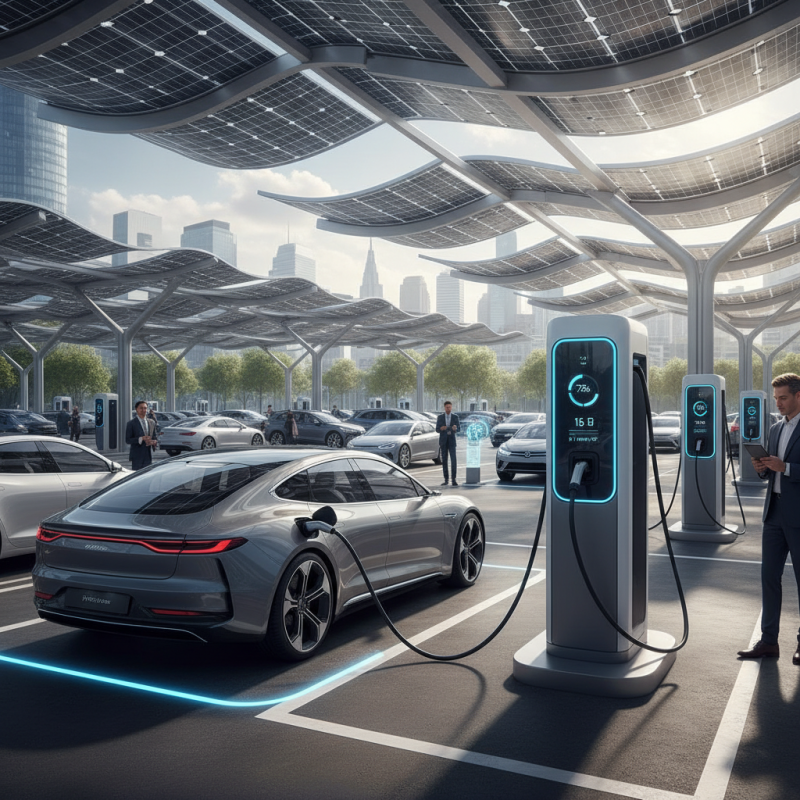
Understanding the Basics of AC Charging for Electric Vehicles
AC charging plays a crucial role in the electric vehicle ecosystem. Understanding its basics can simplify the process. AC, or alternating current, is commonly used for home charging. Most EVs accept AC charging through onboard chargers. This means they convert AC into DC to recharge the battery.
The charging speed depends on several factors. One key element is the power level of the AC source. Level 1 chargers offer around 1.4 kW, while Level 2 chargers can provide up to 7.2 kW. A higher power level significantly reduces charging time. However, installation costs and electrical infrastructure can pose challenges.
It’s also important to consider battery health. Rapid charging can generate heat, affecting battery lifespan. Using a charger that matches the car’s capabilities is essential. Sometimes, an outlet may not provide adequate power. Users must often assess their home wiring and the distance to their charger. Each choice impacts efficiency and convenience in the long run.
Factors Influencing AC Charging Time in Electric Vehicles
The AC charging time for electric vehicles is influenced by several key factors. One crucial aspect is the power output of the charger. The higher the power output, the faster your vehicle charges. However, many home chargers have a limited output. This can unnecessarily prolong charging times, even if the vehicle can take more power. Sometimes, you may need to upgrade your home charging unit for efficiency.
Battery capacity also plays a significant role. Larger batteries naturally take longer to charge. If you frequently drive short distances, consider a smaller battery model. This choice can help reduce your charging anxiety and minimize time spent plugged in. Some users might think their vehicle needs the biggest battery. However, practicality can offer more straightforward solutions.
**Tips:**
Use a smart charging schedule to charge during off-peak hours. This can help manage costs and efficiency.
Regularly check your charger’s compatibility with your vehicle. Mismatches can lead to slower charging times.
Evaluate your daily travel needs. This can help you choose an EV that fits your lifestyle and minimizes charging hurdles.
Techniques for Enhancing AC Charging Efficiency
Enhancing AC charging efficiency is vital for electric vehicle (EV) users. A recent report by the International Energy Agency (IEA) states that slow charging significantly impacts user experience. On average, AC charging can take 4-8 hours for a full charge. This lengthy process often leads to user frustration. Implementing smart charging techniques can greatly reduce this time.
Utilizing higher charging power can enhance efficiency. For instance, charging stations equipped with 22 kW chargers can significantly decrease charging time. These chargers can supply enough power for a full charge in approximately 2-3 hours. However, many public chargers operate at lower power levels. This inconsistency creates a barrier to fast charging, limiting the ease for many EV drivers.
Moreover, improving grid infrastructure plays a critical role. A 2022 study indicated that approximately 30% of charging inefficiencies result from grid limitations. Investing in upgraded infrastructure can facilitate higher power delivery. Additionally, software optimizations in charging management can help, ensuring that vehicles draw optimal power levels during charging sessions. However, balancing these advancements with existing hardware can pose challenges, requiring thoughtful integration strategies.
How to Reduce AC Charging Time for Electric Vehicles Efficiently - Techniques for Enhancing AC Charging Efficiency
| Technique |
Description |
Impact on Charging Time |
Cost Efficiency |
| Smart Charging Algorithms |
Enhances charging schedules based on grid demand and availability. |
Reduces charging time by up to 15%. |
Moderate investment in tech. |
| Higher Capacity Chargers |
Installation of chargers that can supply more power. |
Cuts charging time significantly, up to 30% faster. |
Higher upfront costs, but long-term savings. |
| Battery Management Systems |
Optimizes battery health and charging stages. |
May improve charging time by 10-20%. |
Cost-effective with existing investments. |
| Pre-conditioning |
Heats or cools the battery before charging. |
Can reduce charging time by up to 20%. |
Minimal additional cost. |
| User Incentives |
Encouraging users to charge during off-peak hours. |
Can lead to optimal charging times and lower costs. |
Cost-effective; relies on user engagement. |
Utilizing Smart Charging Solutions to Reduce Charging Times
Smart charging solutions can dramatically reduce charging times for electric vehicles. By optimizing power distribution, these technologies enable quicker energy transfer. Users can monitor and control their charging sessions seamlessly via mobile apps.
Tips: Consider installing a smart charger at home. These chargers adjust the flow of energy based on grid demand. Also, participate in off-peak charging sessions. You'll find lower rates and reduced congestion.
Another smart option is to choose public charging stations wisely. Look for those equipped with DC fast charging. Sometimes, availability is an issue, so arrive early. Not every station can meet your needs, but planning can save time. Use navigation apps to identify features and real-time availability. You may need to wait at some locations, which can be frustrating. Be prepared with a backup plan for such situations.
Maintaining Charging Equipment for Optimal Performance
Maintaining charging equipment is crucial for electric vehicle owners. Regular inspection of charging cables and connectors helps prevent power loss. Damage can occur easily, especially in outdoor environments. Keeping them clean is essential. Dust and dirt can hinder performance significantly.
Check your charging station periodically. Look for any signs of wear or corrosion. A malfunctioning charger can lead to longer charging times. Even small issues can create significant delays. Test connections to ensure steady power flow.
Consider upgrading your equipment if it’s outdated. Newer models often feature faster charging capabilities. However, not all new devices guarantee better performance. Choose wisely based on your specific needs. Always reflect on your charging habits; they might need adjustment. A consistent routine plays a significant role in efficiency.
EV Charging Time Reduction Analysis
This chart illustrates the charging time for electric vehicles using different types of chargers. The data shows that ultra-fast chargers significantly reduce charging time compared to standard and home chargers, emphasizing the importance of upgrading charging infrastructure for efficient electric vehicle operation.
Conclusion
In the quest to understand "how to reduce AC charging time for electric vehicles," it is essential to grasp the fundamentals of AC charging. Various factors, including the power output of the charging station, the vehicle's onboard charger capacity, and the state of the battery, play a significant role in influencing charging durations. To enhance AC charging efficiency, techniques such as optimizing charging routines and utilizing higher-capacity chargers can be particularly effective.
Moreover, implementing smart charging solutions can significantly minimize charging times by dynamically adjusting power flow based on grid demands and vehicle needs. Regular maintenance of charging equipment is also crucial to ensure optimal performance and reliability. By focusing on these strategies, electric vehicle users can effectively reduce their AC charging times and improve the overall charging experience.

 Walnut Charger