Top Residential AC Chargers How Long Do They Last?

Time:2026-09-30 Author:Aria
0%

What is the lifespan of residential AC chargers, and what affects it? There is no single dependable number for every home. A charger used in a mild, sheltered garage may age differently from one exposed to coastal air, freezing winters, or direct afternoon sun. Usage matters, too. Daily charging, high electrical loads, and repeated cable bending can gradually wear components. Even a sturdy unit can have a weak point.

Residential AC chargers, often called EVSEs, supply power and communicate with the vehicle; the car’s onboard system handles the actual AC-to-DC conversion. That distinction helps explain why charger longevity depends on more than the charging cable. Installation quality, circuit capacity, weather protection, software support, and available replacement parts all play a role. Small details count. A connector that rests in a puddle or a cable pulled sharply around a garage corner may deteriorate sooner.

This guide looks at typical lifespan expectations without treating them as guarantees. It also covers warning signs, maintenance habits, warranty questions, and factors to check before replacing a unit. Look for cracked housing, loose plugs, repeated charging interruptions, or unusual heat, and consult a qualified electrician when electrical faults are suspected. A charger can appear fine while performance changes slowly. That uncertainty deserves attention, not guesswork. By understanding how residential AC chargers age, homeowners can make safer, better-informed decisions about repair, continued use, or replacement.
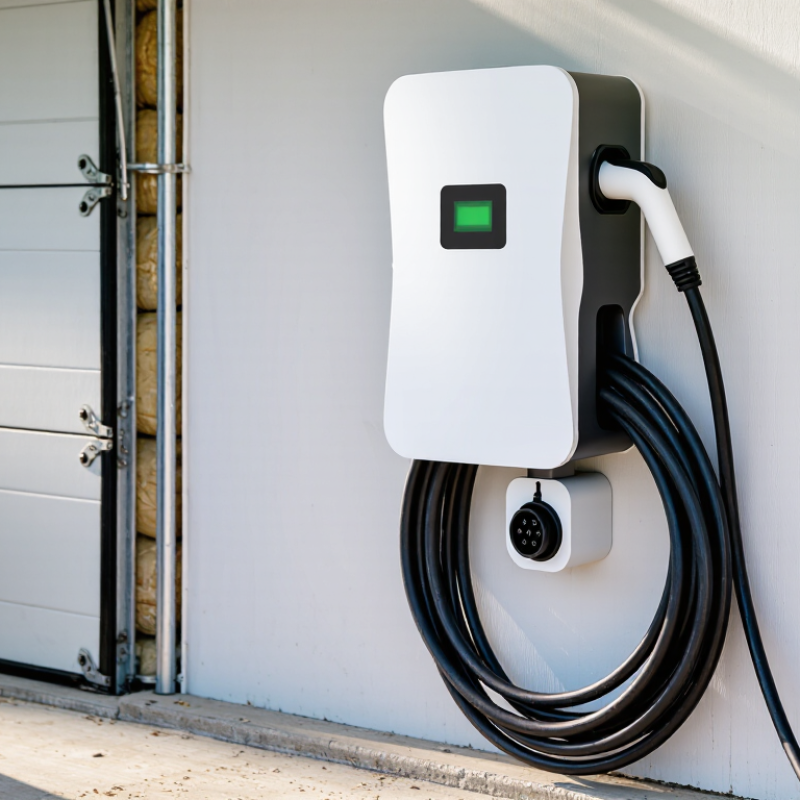
Top Residential AC Chargers How Long Do They Last?

What Are Residential AC Chargers and How Do They Work?

Residential AC chargers are home charging units that deliver alternating current from the electrical supply to an electric vehicle. The vehicle’s onboard charger converts that AC power into direct current for the battery. The wall unit manages the connection, checks that the cable is securely connected, and communicates with the car before charging begins. It does not usually perform the AC-to-DC conversion itself.

A 240-volt Level 2 unit is a common home option. The U.S. Department of Energy’s Alternative Fuels Data Center estimates Level 2 charging can add about 10 to 20 miles of driving range per hour; actual results depend on the vehicle and charger. A short overnight session may be enough for many daily commutes. Charging speed is not the only consideration. Circuit capacity, cable placement, weather exposure, and routine wear can affect reliable use over time. That sounds simple, but home wiring needs careful assessment.

Tips: Before installation, have a qualified electrician check the panel and choose a location where the cable reaches the parked vehicle without crossing a walkway. Keep the connector dry and inspect the cable for cuts or heat damage. The U.S. Department of Energy recommends using charging equipment that is certified by a recognized testing laboratory. Even then, installation quality matters—and it is easy to overlook.

Typical Lifespan of Residential AC Chargers

A residential AC charger commonly lasts about 8 to 15 years, though conditions matter. A unit mounted in a dry garage may age more gently than one exposed to sun, driving rain, or freezing temperatures. Heat is particularly hard on electronic components. Frequent charging does not automatically mean early failure, but sustained heavy use can increase wear.

The cable and connector often show trouble before the main electronics do. Look for cracked insulation, loose-fitting plugs, discoloration, or charging that stops unexpectedly. Keep the cable off the floor and avoid tight bends near the connector. Small habits help. Still, they cannot prevent every fault.

A qualified electrician can check the circuit, mounting, and connections if the charger becomes unusually hot or trips repeatedly. Do not open the enclosure yourself; internal parts may retain hazardous voltage. Many chargers also rely on software, and a neglected update can cause confusing faults that resemble hardware failure. That distinction is easy to miss. Lifespan estimates are not guarantees, either: installation quality, local weather, and repair availability can shift the timeline by years. A charger that is eight years old may work reliably, while a newer one may need service after poor installation or moisture exposure.

Key Factors That Affect AC Charger Longevity

A residential AC charger’s service life depends less on its label than on the conditions around it. Heat is a major factor: a unit mounted on a sun-baked wall may run warmer than one beneath a shaded eave. Repeated high temperatures can stress internal electronics and seals. Cold alone is not always damaging, but sudden temperature swings and trapped moisture can affect connections. Small details matter.

Installation quality sets the starting point. A correctly sized circuit, secure mounting, and properly tightened connections help limit excess heat and intermittent faults. Daily charging means thousands of plug-in cycles over time. Avoid yanking the cable or letting its plug drag across concrete; cracked insulation and bent contacts are more than cosmetic. The cable gets overlooked. Dust, water, and salt air can also take a toll, especially in damp or coastal locations. Keep ventilation openings clear.

Charging habits matter, too, though ordinary overnight use is generally within a charger’s intended operation. Persistent error lights, unusual warmth at the plug, a burning smell, or repeated breaker trips warrant prompt attention from a qualified electrician. Do not open the enclosure yourself. Visual checks can catch damage, but they cannot reveal every hidden fault. There is no fixed lifespan for every home: climate, installation, usage, and maintenance all vary. Even careful owners can miss a fault developing slowly.

Top Residential AC Chargers: How Long Do They Last?

A roughly 10-year service life is a useful planning benchmark for a residential AC charger, not a guaranteed lifespan or a universal measured average.

What affects longevity: Frequent charging, high operating temperatures, moisture and dust exposure, poor installation, cable strain, and delayed repairs can contribute to wear. A suitable installation, protection from harsh weather, and prompt attention to damage can help extend service life. Check the manufacturer's guidance for the specific unit.

Signs That a Home AC Charger Needs Attention

A home AC charger rarely fails all at once. Look for repeated pauses, new error lights, or sessions that stop before the car is ready. A connector that feels unusually hot needs attention. So do a burnt-plastic smell, buzzing, dark marks, or a cracked cable. Stop using the unit if you see heat damage. Do not keep resetting it. A breaker that trips repeatedly may point to a charger fault, wiring trouble, or an overloaded circuit. One slow session is weak evidence; cold weather, vehicle settings, and household electrical load can also affect charging speed.

The U.S. Department of Transportation’s 2023 NEVI minimum standards set a 97% annual uptime requirement for federally funded public charging ports. That benchmark applies to public equipment, not home chargers, and it does not predict a unit’s lifespan. Still, reliability means more than a light turning on. Keep a simple record of interruptions, warning codes, and when the problem began. Check the cable and plug visually, but leave electrical repairs to a qualified electrician or service technician. Sometimes the charger is not the culprit. That is easy to overlook. A persistent fault, burning odor, or damaged connector warrants prompt professional inspection.

Top Residential AC Chargers: How Long Do They Last? — Signs That a Home AC Charger Needs Attention

Home AC charger service life varies with installation quality, charging frequency, weather exposure, and maintenance. The ranges below are rough planning estimates—not guaranteed replacement intervals or universal ratings.

Charger Part or Area Typical Planning Range Signs That It Needs Attention Possible Causes Recommended Response
Complete home AC charger (EVSE) About 8–15 years as a broad planning estimate; actual life can be shorter or longer. Repeated charging failures, unexplained shutdowns, persistent fault indicators, or loss of normal functions. Age, frequent use, moisture or heat exposure, electrical faults, or worn internal components. Check the user manual and fault messages. Have a qualified electrician or the charger’s service provider inspect persistent faults.
Charging cable and vehicle connector Often several years; wear depends heavily on handling, storage, and exposure. Cracks, cuts, exposed conductors, bent pins, a loose fit, or a connector that becomes unusually hot. Repeated bending, pulling, being driven over, drops, dirt, or weather-related wear. Stop using the charger if the cable or connector is damaged, or if there is unusual heat, a burning smell, or discoloration. Arrange repair or replacement.
Connector contacts and vehicle inlet connection Varies with use and cleanliness; there is no universal replacement interval. Charging starts only when the plug is repositioned, connection is intermittent, or visible contacts are damaged or contaminated. Debris, moisture, worn contacts, or damage from rough insertion and removal. Do not insert tools or liquids into the connector. Follow the manual for safe cleaning; seek service if the problem remains.
Enclosure, mounting, and seals Can last for many years when correctly installed and kept within its rated environment. Loose mounting, cracked housing, water inside the enclosure, corrosion, or deteriorated seals. Impact, vibration, sunlight, severe weather, or an unsuitable installation location. Keep the unit dry and securely mounted. Have damaged enclosures or suspected water ingress assessed before further use.
Internal switching and control components No dependable consumer-visible lifespan; service life depends on design, load, and operating conditions. Clicking without charging, repeated resets, interrupted sessions, or recurring error codes. Component wear, electrical supply problems, overheating, or a fault in the vehicle or charger. Record the error and when it occurs. Avoid opening the charger; internal diagnosis should be performed by qualified service personnel.
Electrical supply, breaker, and protective devices Follow the device and local electrical-code requirements; protective devices should be tested as directed by their manufacturer. A breaker trips repeatedly, a built-in safety test fails, or charging stops with an electrical fault warning. Overload, wiring or grounding issues, a faulty protective device, or a charger or vehicle fault. Do not repeatedly reset a tripping breaker or bypass a safety device. Stop charging and contact a qualified electrician.
Charging performance Performance should be judged against the charger’s rated output, the vehicle’s limits, and household electrical conditions. Charging is consistently slower than expected or stops unexpectedly, despite normal settings and conditions. Vehicle charge limits, scheduled charging settings, temperature-related power reduction, supply limitations, or a developing fault. Check the vehicle and charger settings first. If the change persists or comes with warning signs, arrange a professional inspection.

Safety note: Never use a charger with exposed wiring, a damaged connector, signs of melting, a burning odor, smoke, or water inside the enclosure. Disconnect power only if it is safe to do so, and contact a qualified electrician or emergency services as appropriate. Always follow the charger’s manual and local electrical codes.

How to Extend the Life of a Residential AC Charger

Top Residential AC Chargers: How Long Do They Last?

How to Extend the Life of a Residential AC Charger

A residential AC charger can often last a decade or longer, but there is no guaranteed lifespan. Installation quality, weather exposure, charging frequency, and routine care all matter. A unit mounted beneath a roof overhang may face less rain and direct sun than one on an exposed driveway wall. Small habits count, too. Avoid pulling the cable across sharp concrete edges, and return the connector gently to its holder after charging.

Tips: Keep the cable loosely coiled, clear leaves and dust from the enclosure, and follow the manufacturer’s cleaning instructions. Don’t spray the charger with a pressure washer or open its casing. If the cable becomes cracked, the plug feels unusually hot, or charging repeatedly stops, pause use and contact a qualified electrician. A quick visual check each month is easy to forget, but it may help catch wear early.

Good ventilation helps prevent unnecessary heat buildup, so keep boxes and stored items away from the unit. After storms or heavy snowfall, check for visible damage before plugging in. An occasional inspection by a qualified professional can also identify loose connections or worn components. Chargers do age, and careful use cannot prevent every fault. Still, treating the cable and connector with care can reduce avoidable strain.

FAQS

How long can a residential AC charger last?

Many chargers can operate for ten years or longer. Lifespan varies with heat, moisture, installation, and charging frequency. No fixed guarantee exists.

How does heat affect charger longevity?

Direct sunlight can heat the enclosure and stress internal electronics. A shaded wall or roof overhang may reduce exposure. Heat matters.

Why is installation quality important?

Correct circuit sizing, firm mounting, and tight connections help prevent overheating. Poor installation may create intermittent faults or damaged wiring.

How should I handle the charging cable?

Avoid dragging it across rough concrete or pulling it sharply. Coil it loosely and place the connector gently in its holder. Small details count.

How can I protect the charger from weather?

Keep leaves, dust, and stored items away from ventilation openings. After storms or heavy snow, check for visible damage before charging.

What warning signs require immediate attention?

Stop using the charger if the plug becomes unusually hot, smells burnt, or repeatedly stops charging. Frequent breaker trips also need professional inspection.

Can I clean or repair the charger myself?

Use only the cleaning method recommended for the unit. Do not pressure-wash it or open the enclosure. Hidden faults are easy to miss.

How often should I inspect a residential AC charger?

A brief visual check each month can reveal cracked insulation, bent contacts, or loose parts. A qualified electrician may find problems you cannot see. I may still miss something.

Conclusion

Residential AC chargers provide a controlled connection between a home’s electrical supply and an electric vehicle. They deliver AC power, which the vehicle’s onboard charger converts for the battery. What is the lifespan of residential AC chargers? Many can serve reliably for around 8 to 15 years, though actual service life depends on build quality, frequency of use, installation, and operating conditions.

Heat, moisture, dust, power fluctuations, and physical wear can shorten a charger’s life. Warning signs include loose connectors, damaged cables, unusual heat, inconsistent charging, or recurring error messages. To help extend its service life, keep the unit clean and dry, protect cables from strain and impact, avoid obstructing ventilation, and arrange qualified inspection if problems appear. Following the manufacturer’s care instructions and addressing small faults early can support safer, more dependable charging for years.

Aria

Aria

Aria is a dedicated marketing professional with a deep passion for innovative strategies and a keen understanding of our company's product offerings. With a wealth of experience in the industry, Aria excels at crafting engaging content that highlights the unique features and benefits of our......