How Smart AC Chargers Reduce Energy Costs for Buyers?

Time:2026-08-11 Author:Liam
0%

In today's energy-conscious world, smart AC chargers are gaining popularity among consumers. Many are curious about how smart AC chargers save electricity and reduce costs. These innovative devices not only optimize charging speeds but also enhance energy efficiency.

Smart AC chargers use algorithms to determine the best charging times. This ensures that electric vehicles are charged during off-peak hours. As a result, users save money on electricity bills. Additionally, these chargers can communicate with the grid to adjust charging rates based on demand. This creates a win-win situation for both users and energy providers.

Despite their advantages, smart chargers require proper installation and understanding to maximize their benefits. Users may face challenges in choosing the right device or understanding its full capabilities. However, embracing technology can lead to significant savings and lower energy consumption in the long run. With careful consideration, homeowners can enjoy the benefits of these advanced chargers while contributing to a more sustainable future.
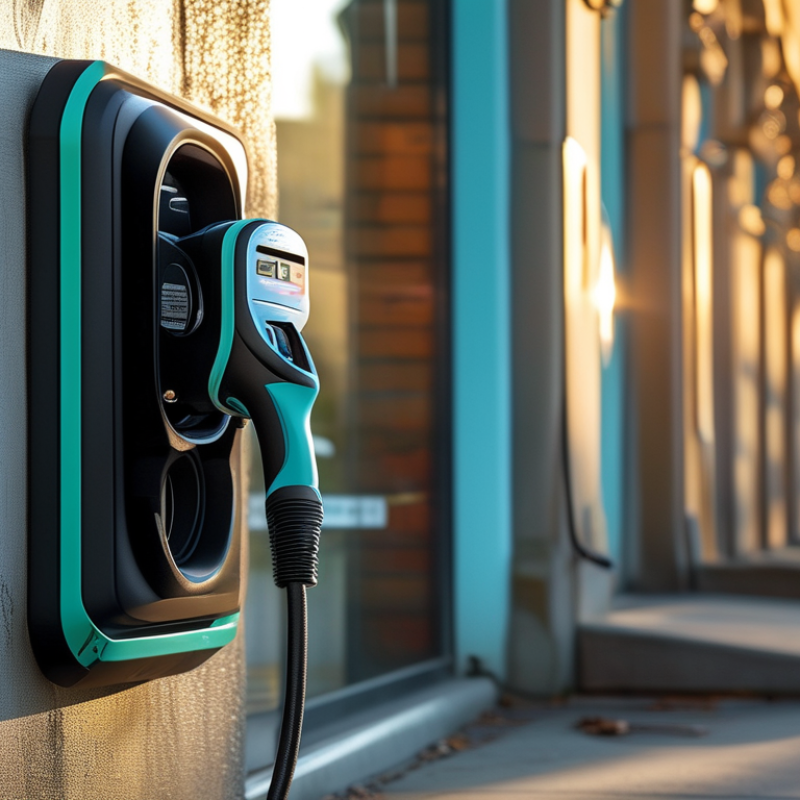
How Smart AC Chargers Reduce Energy Costs for Buyers?

Impact of Smart AC Chargers on Overall Energy Consumption

Smart AC chargers are transforming how we think about energy consumption. They help manage energy usage intelligently. Reports indicate that smart chargers can reduce energy costs by up to 30% for users. This is particularly important as energy prices continue to rise.

Studies show that these chargers optimize charging times based on real-time energy rates. For example, they can wait until off-peak hours to charge. This shift in timing can lead to significant savings. According to industry data, households that use smart charging systems consume 20% less energy than those that do not. However, many consumers may still feel unsure about the initial investment.

Not all smart AC chargers perform equally. Some features may be underutilized by everyday users. For instance, many do not take advantage of programmable settings. This makes it crucial for consumers to understand what they are purchasing. Moreover, the integration of renewable energy sources, like solar power, can enhance their effectiveness. However, the impact of these chargers on the overall grid should be continuously evaluated.

Impact of Smart AC Chargers on Overall Energy Consumption

Smart AC chargers have been shown to significantly reduce energy consumption. This chart illustrates the energy usage before and after the installation of smart chargers, demonstrating a reduction from 150 kWh to 100 kWh.

Understanding the Efficiency of Smart Charging Technology

Smart charging technology has transformed how electric vehicles are charged. These chargers optimize energy consumption, reducing costs for users. By adjusting charging speeds based on real-time energy prices, they help consumers save money. When electricity demand is high, smart chargers delay energy usage to off-peak times when rates are lower. This balancing act not only cuts costs but also aids in grid stabilization.

Moreover, the efficiency of smart AC chargers contributes to sustainability. They can be programmed for renewable energy usage, such as solar power. This integration reduces reliance on fossil fuels and minimizes environmental impact. However, users may face a learning curve in understanding how to take full advantage of these features.

It's important to recognize that not all charging solutions are perfect. Some users experience connectivity issues, impacting the charging process. Users might not see immediate savings, leading to frustration. Continuous improvements in technology are essential to address these challenges. A step in the right direction is better education about the benefits and capabilities of smart chargers.

Cost Savings through Programmable Charging Schedules

Programmable charging schedules play a pivotal role in reducing energy costs for electric vehicle (EV) owners. By enabling users to set charging times during off-peak hours, they can significantly lower their electricity bills. According to the U.S. Department of Energy, energy rates during off-peak times can be up to 50% lower than during peak hours. This is a crucial advantage for owners of smart AC chargers.

Studies reveal that implementing a programmable charging schedule can yield an average savings of $200 annually for EV owners. Furthermore, a report from the International Energy Agency (IEA) indicates that smart charging technologies can enhance grid stability and reduce overall electricity demand. While many users may overlook these features, they are essential for maximizing savings and promoting sustainability.

Despite the clear financial benefits, some users may find programming their chargers to be complex or time-consuming. This hesitance could lead to missed opportunities for savings. Additionally, not all charging stations support programmable features, creating inconsistency in user experience. Stakeholders in the EV market must address these challenges to ensure users fully capitalize on the advantages of smart charging technology.

Data on Reduced Energy Usage in Smart Charger Deployments

Smart AC chargers are revolutionizing how consumers approach energy consumption. Data shows that these chargers can significantly reduce energy usage when deployed effectively. By optimizing charging schedules and intelligently managing power delivery, they not only cut costs but also enhance the overall efficiency of electric vehicle (EV) charging. Users often see reduced electricity bills after switching to smart charging solutions.

Tips: Consider setting your smart charger to operate during off-peak hours. Electricity rates can vary throughout the day. Additionally, regular updates to the charger's software can improve its performance and energy-saving capabilities.

Innovative features, like real-time energy monitoring, empower users to track their consumption. This data can reveal patterns and lead to more informed decisions about charging habits. Some may struggle to adapt to these new technologies, finding the settings confusing. It's essential to familiarize yourself with the features to maximize savings and efficiency.

Environmental Benefits of Using Smart AC Chargers

Smart AC chargers are becoming increasingly vital in promoting environmental sustainability. These innovative tools optimize energy usage, leading to reduced carbon emissions. By efficiently managing power, they help decrease the demand on the electrical grid, which is often powered by fossil fuels.

Additionally, smart AC chargers can be programmed to charge during off-peak hours. This not only saves money for users but also lessens the environmental impact. However, the effectiveness of these chargers relies on the user’s commitment to understanding their capabilities. Many buyers may install them without taking full advantage of their features. There is still a long way to go in raising awareness about these tools.

The integration of smart technology in everyday charging habits can reshape our approach to energy consumption. While the benefits are clear, the challenges in user education and commitment can hinder progress. It’s crucial for consumers to actively engage with their devices, ensuring they maximize potential gains.

FAQS

: What is smart charging technology?

: Smart charging technology optimizes how electric vehicles charge, reducing costs and improving energy consumption.

How do smart chargers help save money?

They adjust charging speeds based on real-time energy prices, delaying usage during high-demand periods.

What are the environmental benefits of using smart chargers?

They reduce carbon emissions by managing power efficiently and encouraging off-peak charging.

Can users experience challenges with smart chargers?

Yes, some may face connectivity issues or struggle to see immediate savings, leading to frustration.

How can users maximize their smart charger’s potential?

Familiarizing themselves with features and setting devices for off-peak hours can enhance their efficiency.

Is there a learning curve for new users of smart chargers?

Yes, many users find the settings confusing, which can hinder their ability to benefit from the technology.

What role does user education play in using smart chargers?

Better understanding of features helps users save money and optimize energy usage effectively.

Are all smart chargers equally effective?

Not all are perfect; performance can vary based on technology and user engagement.

What should users do to ensure their smart chargers perform well?

Regularly update software and monitor energy consumption patterns to improve efficiency.

Why is it important to engage with smart chargers?

Active engagement helps users unlock the full potential of these devices for savings and sustainability.

Conclusion

Smart AC chargers are revolutionizing the way we consume energy by significantly reducing electricity costs for users. They optimize overall energy consumption through advanced technology that allows for efficient charging schedules. By utilizing programmable charging features, these smart chargers adapt to energy prices and demand, ensuring that charging occurs during off-peak times when electricity is cheaper.

Additionally, data has shown a noteworthy decrease in energy usage with the implementation of smart chargers, not only saving money for consumers but also contributing to environmental sustainability. Overall, understanding how smart AC chargers save electricity reveals their ability to balance the needs of users with the demands of the energy grid, resulting in both cost savings and reduced environmental impact.

Liam

Liam

Liam is a dedicated marketing professional with a profound expertise in the industry, where he excels at highlighting the unique advantages of our core products. With a keen understanding of market trends and consumer needs, Liam frequently updates our company’s professional blog, providing......