In today's energy-conscious world, understanding how smart AC chargers save electricity is crucial. Renowned expert Dr. Emily Carter, an energy efficiency researcher, stated, “Smart chargers optimize energy usage, lowering costs and protecting our environment.” This insight sheds light on the importance of these innovations.
Smart AC chargers adjust their power delivery based on user needs. They can significantly reduce energy waste. Many find it hard to grasp this impact fully. Yet, the small changes in charging habits can lead to substantial savings over time. It's not just about convenience; it’s about making smarter choices.
However, implementing these smart technologies requires awareness and effort. Users must actively engage with them for maximum benefits. While adopting smart chargers is a step forward, it's important to reflect on our overall energy consumption. Investing in knowledge on how smart AC chargers save electricity can lead to a more sustainable future.
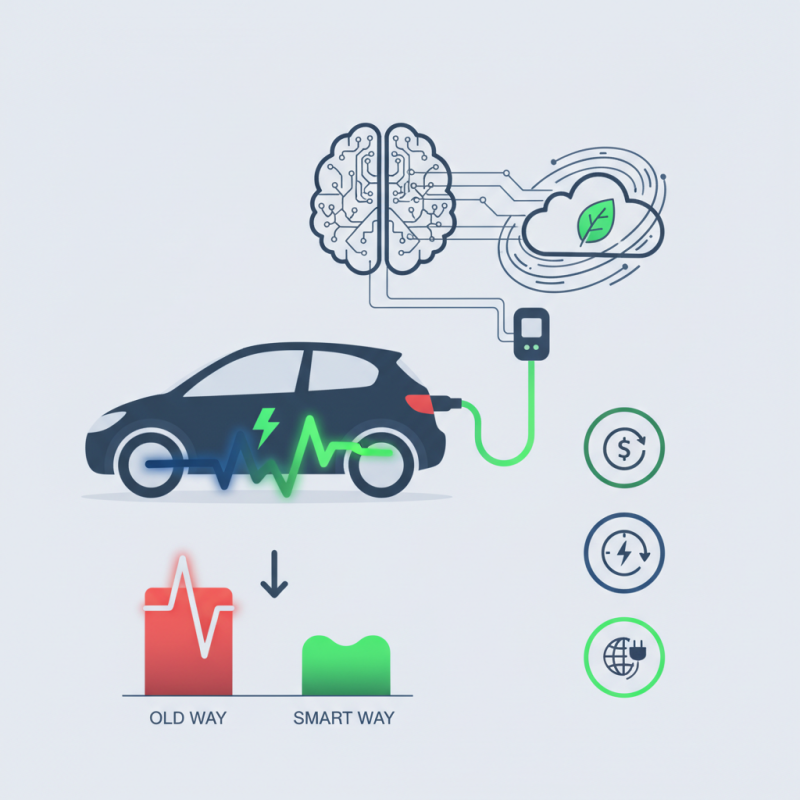
Smart AC chargers are revolutionizing how we consume electricity. These devices intelligently manage power use and adapt to energy demands. They are designed to work efficiently, reducing the overall energy consumed during charging. This is crucial as energy costs continue to rise.
Using a smart AC charger can lead to significant savings. One key tip is to set charging schedules during off-peak hours. Off-peak rates can lower your electricity bill while ensuring your devices are ready when you need them. Another recommendation is to monitor your charging habits. Adjusting settings based on your usage can further optimize energy consumption.
Despite their benefits, not all chargers are created equal. Users should evaluate their specific needs, as features vary widely. Reflecting on what one truly requires from a charger can lead to better choices. It's essential to consider compatibility and energy-saving features that suit your lifestyle.
Smart AC chargers are revolutionizing energy efficiency. By optimizing energy use, these devices help reduce waste and save costs. They adjust charging rates based on demand, ensuring that your electric vehicle receives energy at optimal times. This capability is crucial in minimizing peak load and balancing energy consumption.
Tips: Consider setting your charger to operate during off-peak hours. This adjustment can yield significant savings on your electricity bill. Monitor your usage patterns. Understanding when and how much you charge can lead to better energy management.
Moreover, smart chargers often provide detailed reports on energy consumption. This information empowers users to make informed decisions. However, some users may find it challenging to navigate the features of these chargers. Recognizing that learning takes time can motivate you to keep exploring. Embrace the learning curve to unlock maximum efficiency. Keep in mind that not all smart features may suit every household. It's important to evaluate which functions are genuinely beneficial for your needs.
| Feature | Benefit | Energy Savings (%) | Payback Period (Months) |
|---|---|---|---|
| Adaptive Charging | Charges according to grid demand | 15% | 6 |
| Schedule Optimization | Charges during off-peak hours | 20% | 5 |
| Dynamic Load Balancing | Distributes power efficiently | 10% | 7 |
| Energy Monitoring | Track usage patterns | 12% | 4 |
| Remote Access | Control charging from anywhere | 5% | 8 |
Smart AC chargers are transforming the way we consume electricity. These advanced chargers are equipped with features that optimize energy usage. For instance, real-time monitoring helps users track their energy consumption. According to a report from the International Energy Agency, smart charging systems can reduce electricity expenses by up to 30%. This efficiency not only saves money but also contributes to lower carbon emissions, making them an eco-friendly choice.
Another critical feature of smart AC chargers is scheduling. Users can set specific charging times, often during off-peak hours. This feature allows for lower electricity rates, as many utilities offer reduced rates during these times. A study from the U.S. Department of Energy found that charging during off-peak periods can save consumers an average of $200 annually. Additionally, some chargers can adjust their power output based on grid demands, further enhancing energy efficiency.
However, it’s worth noting that not all smart chargers deliver the same level of efficiency. Users must do their research before investing. Some models may have limitations that reduce their effectiveness. Acknowledging this variability is essential for making informed choices. The potential savings and benefits are significant, but achieving them requires careful consideration of the available options.
Smart charging technology has changed the way we approach energy consumption. Traditional chargers often work at a constant rate, leading to energy waste. They don't adapt to your device's needs. This results in overcharging and higher electricity bills.
On the other hand, smart AC chargers use real-time data. They adjust their output based on the battery's condition and charging cycles. This means less energy wasted. Some models even allow remote monitoring. Users can track their power usage from their devices. This feature encourages awareness, fostering better energy habits.
However, the transition to smart technology isn't always seamless. Users might find the initial setup challenging. There can be a learning curve with app connectivity. Additionally, not all smart chargers are created equal. Some may fall short in reliability. It's important to research thoroughly before investing in this technology.
Smart AC chargers have transformed how homeowners manage their electricity use. These devices intelligently adjust charging times based on electricity rates. This means you can avoid the peak hours when rates soar. Many homeowners report saving significant amounts on their monthly bills. It’s a practical solution to rising energy costs.
Using a smart AC charger can help reduce energy waste. For instance, it monitors usage patterns and can identify when appliances are drawing too much power. This continuous feedback loop allows homeowners to make informed decisions. However, not every smart charger functions the same way. Some may require frequent adjustments or do not sync well with all home systems. It’s important to do thorough research before investing.
Furthermore, integrating smart chargers into your home may require a learning curve. Homeowners may need to understand their power needs better. An initial investment is needed for the technology, which might deter some. Nonetheless, the long-term savings and efficiency cannot be ignored. Many users find that the benefits far outweigh the initial challenges.
This chart illustrates the estimated monthly electricity savings for homeowners using smart AC chargers compared to traditional chargers. The data reflects potential reductions in electricity usage over a six-month period.
C chargers?
Set charging schedules during off-peak hours to lower your electricity bill significantly.
Evaluate your specific needs and look for compatibility and essential energy-saving features.
They adjust charging rates based on demand, minimizing waste and balancing energy consumption.
Many smart chargers offer detailed reports on energy consumption, helping users make informed decisions.
No, some require frequent adjustments and may not work well with every home system.
Yes, there’s often a learning curve, but embracing it can maximize your efficiency.
There may be a need for better understanding of power needs and making initial investments.
Smart AC chargers are innovative devices that significantly enhance energy efficiency in households. By employing advanced technology, these chargers optimize electricity usage during the charging process. How smart AC chargers save electricity lies in their ability to monitor and adjust the charging speed based on real-time data, thus minimizing power waste.
Key features such as scheduling capabilities and remote management further contribute to reduced electricity consumption. When compared to traditional chargers, smart charging technology offers a more efficient and environmentally-friendly solution for homeowners. The real-world benefits include lower electricity bills and a reduced carbon footprint, making smart AC chargers an essential investment for energy-conscious consumers.

Walnut Charger