With the rapid growth of electric vehicle (EV) adoption, securing commercial AC charging stations has become a critical concern. According to a report from the International Energy Agency, the number of electric vehicles is projected to reach 125 million by 2030. This surge emphasizes the need for robust security measures at charging facilities. How to secure commercial AC charging stations effectively is no longer just a technical question; it’s a necessity for businesses and cities alike.
Cybersecurity threats targeting charging stations are increasing. The increasing connectivity of charging infrastructure makes it vulnerable to hacking and misuse. A study by the U.S. Department of Energy indicates that nearly 40% of public charging stations have faced some form of security breach. This highlights an urgent need for enhanced security protocols. Beyond the digital risks, physical protection against vandalism and theft also demands attention.
Adopting comprehensive security strategies can prove challenging. Many business owners may underestimate threats, thinking their locations are safe. Yet, even minor vulnerabilities could lead to substantial financial losses or reputational damage. Addressing these concerns proactively ensures the longevity and reliability of EV charging networks, paving the way for a sustainable future.
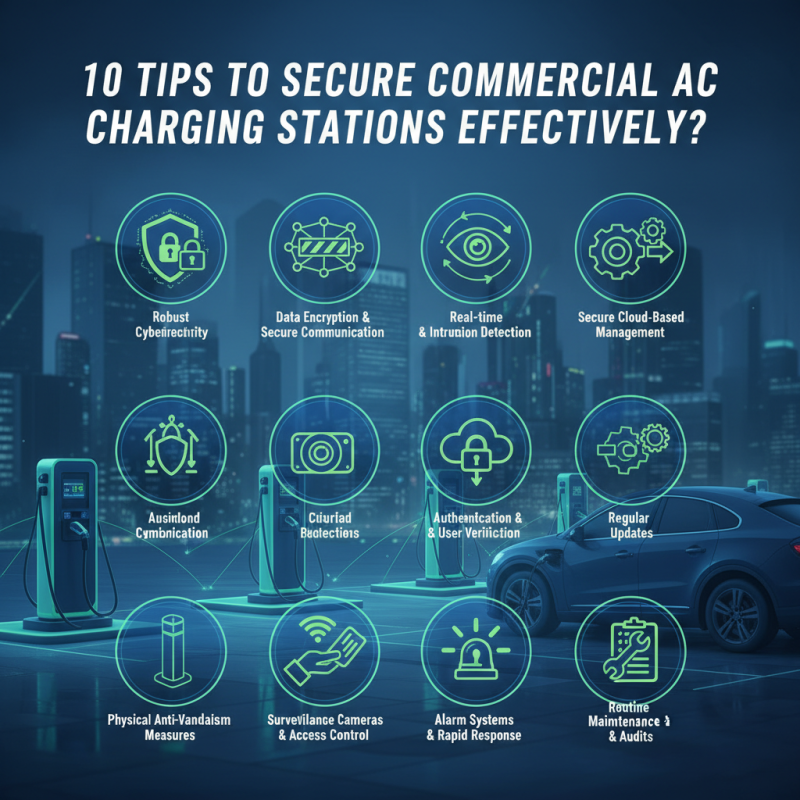
Securing AC charging stations is increasingly vital as reliance on electric vehicles grows. A study by the International Energy Agency revealed that, by 2021, there were over 2 million electric cars on the road globally. With this rise, the demand for charging infrastructure has skyrocketed, making security a critical concern. The security of these stations can directly impact user confidence and overall utility adoption.
Cybersecurity threats pose significant risks to AC charging stations. According to a report from the European Union Agency for Cybersecurity (ENISA), over 80% of organizations experienced a cyber threat in recent years. Vulnerabilities in charging infrastructure can lead to data breaches or disruptions in service. This possibility highlights the necessity of implementing robust security measures. A single incident could deter potential users from utilizing EV charging stations.
Physical security is equally important. Charging stations must be safeguarded against vandalism and theft. Research from the U.S. Department of Energy indicates that incidents of damage can decrease station availability by 30%. Incorporating cameras, lighting, and access controls can improve safety and reassure users. Addressing both cyber and physical threats is essential for maintaining a secure environment for AC charging stations, fostering trust among electric vehicle owners.
When securing commercial AC charging stations, identifying common security risks is crucial. These risks can vary from physical damage to unauthorized access, impacting both equipment and user safety. It's vital to assess the location of charging stations. Poorly lit or isolated areas are prime targets for vandalism. Installing surveillance cameras can deter malicious behavior and provide evidence if incidents occur.
Another significant risk is cyber threats. Many charging stations connect to the internet, making them vulnerable to hacking. Regularly updating software and firmware can mitigate potential breaches. Users should also be educated about securely using charging stations. Awareness about the potential for data theft during the charging process is essential.
Lastly, the maintenance of physical equipment is often overlooked. Regular inspections can reveal wear and tear that could lead to failures or accidents. Often, companies neglect routine checks, resulting in unchecked risks. It's important to strike a balance between convenience and security, ensuring that charging stations remain safe and functional for all users.
When implementing physical security measures for commercial AC charging stations, the first step is assessing the site. Evaluate the surroundings, identifying potential vulnerabilities. Are there many foot traffic and visibility?
Well-lit areas deter mischief. Installing surveillance cameras can also provide a deterrent. A visible security presence is essential, but it may not always be feasible due to budgets.
Fencing and access controls enhance security. Consider installing gates with keycard access to restrict entry. This limits who can access the charging infrastructure. Layered security, like motion sensors and alarms, adds another level of protection. Regular maintenance of these systems is crucial to ensure effectiveness.
Physical barriers are essential, but remember they can be flawed. No system is infallible; outdated technology can fail. Regular audits of your security arrangements can highlight weaknesses. Engage with local security professionals to evaluate and refine your approach. The key is ongoing vigilance and adaptation to new threats.
Cybersecurity is essential for commercial AC charging stations. As these stations grow in popularity, they face increasing risks. Hackers target charging networks to steal data or disrupt services. Many operators underestimate these threats. It's crucial to implement robust cybersecurity measures.
One effective practice is to use strong encryption. This secures data transmitted between the vehicle and the charging station. Regular software updates are also vital. They fix vulnerabilities that may be exploited. Moreover, operators should consider a network segmentation approach. This limits access to sensitive information and minimizes impact if a breach occurs.
Having a response plan is key. It can guide action if an incident happens. Testing this plan helps identify weaknesses. Regular training for staff is another important step. Employees should understand potential threats. They need to know how to react swiftly. Many overlook this training, which can lead to serious issues. Creating a culture of cybersecurity awareness is vital for station security.
| Tip No. | Security Measure | Description | Frequency |
|---|---|---|---|
| 1 | Use Encrypted Connections | Implement SSL/TLS for communications between charging stations and servers. | Always |
| 2 | Regular Software Updates | Keep firmware and software up-to-date to patch vulnerabilities. | Monthly |
| 3 | User Authentication | Require secure authentication for access to the charging management system. | Always |
| 4 | Network Segmentation | Isolate charging stations from other networks to minimize risk. | As needed |
| 5 | Intrusion Detection Systems | Deploy systems to detect and respond to unauthorized access attempts. | Continuous |
| 6 | Data Encryption | Encrypt sensitive data stored in charging stations. | As needed |
| 7 | Regular Security Audits | Conduct periodic audits to assess the security posture. | Quarterly |
| 8 | Employee Training | Train staff on best practices for cybersecurity and awareness. | Annually |
| 9 | Access Controls | Implement role-based access controls for different users. | Always |
| 10 | Incident Response Plan | Develop and test a response plan for security incidents. | As needed |
Regular maintenance is crucial for the security of commercial AC charging stations. It should be scheduled frequently. Check all components for wear and tear. Worn-out cables can pose risks. Inspect connections to ensure they are secure and meet safety standards. Keeping everything in top shape is a proactive approach to prevent future issues.
Updates are often overlooked. Software can contain vulnerabilities over time. Regularly updating the system enhances its defenses. This includes firmware and security patches. Failing to update may expose stations to cyber threats. Managers should prioritize this task, as many wait too long between updates. It can be beneficial to set reminders.
Additionally, staff training is essential. Employees need to understand how to spot potential problems. Empowering them with knowledge creates a stronger security culture. Encourage them to report odd behaviors around charging stations. Even small issues can escalate if ignored. Creating a routine for inspections and updates could significantly increase overall security.
C charging stations?
Cyber threats include data breaches and service disruptions. Often, vulnerabilities remain unaddressed, creating serious risks.
Adding cameras, lighting, and access controls can deter vandalism. Regular maintenance can help identify vulnerabilities early.
Users need to understand data theft risks while charging. Educating them can prevent potential exploitation or misuse.
Software should be updated regularly to fix vulnerabilities. Many operators wait too long, risking security failures.
Regular training helps staff recognize threats and react properly. Neglecting this can lead to significant security incidents.
Poorly lit or isolated locations are more prone to vandalism. Assessing site conditions is crucial for risk management.
Damage can reduce station availability by 30%. Regular inspections are needed to ensure equipment remains functional.
It limits access to sensitive information within the network. This reduces potential damage from any security breach.
A response plan guides actions during security incidents. Testing the plan helps identify weaknesses and improves readiness.
Securing commercial AC charging stations is crucial in today's electric vehicle landscape. To effectively understand how to secure commercial AC charging stations, one must first recognize the significance of safeguarding these infrastructures against common security risks, including vandalism and unauthorized access. Implementing robust physical security measures, such as surveillance systems and access controls, is essential to protect the equipment.
Additionally, adopting cybersecurity best practices is vital for protecting the digital networks associated with charging stations. Regular maintenance and updates play a significant role in ensuring the longevity and security of the charging infrastructure. By addressing both physical and cyber threats, commercial operators can enhance the resilience of their AC charging stations and provide safer services to users.

Walnut Charger