As electric vehicle (EV) adoption accelerates in China, charging stations face significant strain. Industry reports indicate that the number of EVs is expected to surpass 300 million by 2030, intensifying the demand for reliable charging infrastructure. To address challenges such as overloading, experts emphasize strategic management of charging networks. "How to prevent overloading in EV charging stations is crucial for a sustainable future," states Dr. Li Wei, a specialist in EV infrastructure.
Dr. Li’s insights highlight the need for advanced load management systems. Simple solutions, like staggering charging times, can mitigate peak load issues. Every charging station needs to be equipped with smart technology to monitor energy consumption. This includes real-time data analytics, allowing operators to make informed decisions. Moreover, investing in renewable energy sources can help reduce pressure on the grid.
The conversation around overloading must also consider user behaviors. For instance, charging habits often change during holidays or major events, leading to unanticipated spikes in demand. Awareness campaigns can guide EV users on optimal charging practices. Implementing these measures may not be easy, but proactive strategies can pave the way for safer and more efficient EV charging solutions.
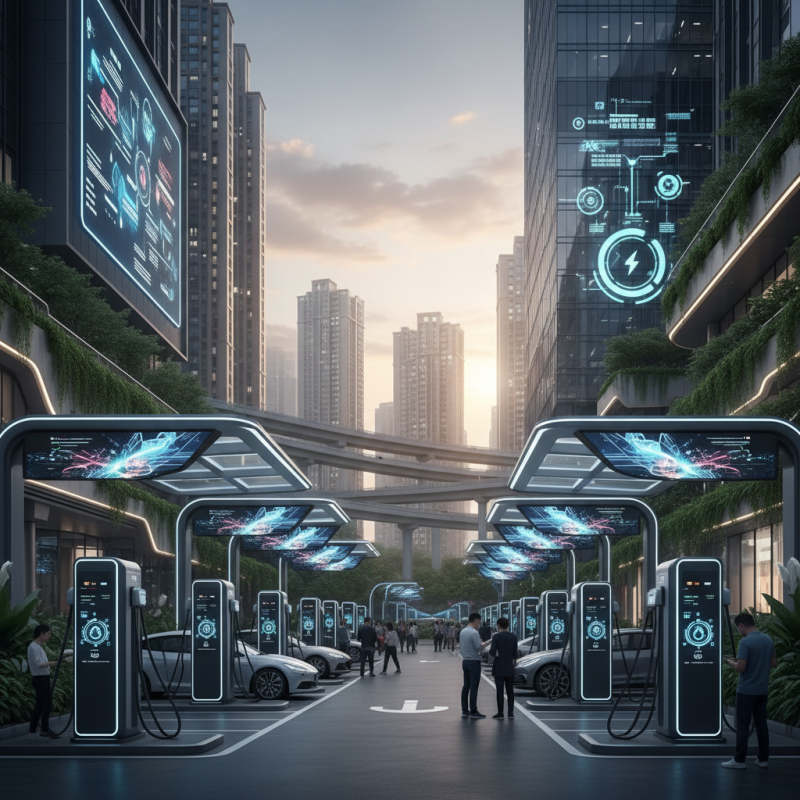
Electric Vehicle (EV) charging station overloading is a pressing issue in modern infrastructure. When too many vehicles draw power simultaneously, it causes strain on the electrical grid. This strain can lead to outages, damage, and increased charging times. Understanding these implications is vital for managing the growing EV market. The focus should be on how we can mitigate these risks effectively.
Regular monitoring of energy consumption at charging stations can help. This involves analyzing usage patterns throughout the day. Peak times often experience high demand that could lead to overloading. By spreading out charging sessions, we can ease the pressure on the grid. Moreover, investing in smart charging solutions provides real-time data. These solutions can optimize charging schedules based on demand, reducing overload risks.
Inexperienced users may not recognize signs of overloading. They might assume that all charging stations can handle demand. This misconception can hamper effective usage. Communication and education are key. Information on proper charging routines can promote efficient energy use. As we advance in EV technology, we must adapt our infrastructure to fit these new demands. Adapting to changing needs requires ongoing evaluation and optimization of our systems.
| Tip Number | Tip Description | Expected Outcome |
|---|---|---|
| 1 | Install Smart Load Management Systems | Balances the load and prevents overloading |
| 2 | Regular Maintenance and Monitoring | Ensures chargers function optimally |
| 3 | Use Time-of-Use Pricing for Power Consumption | Encourages off-peak charging |
| 4 | Adopt Community-Based Charging Solutions | Distributes load across multiple stations |
| 5 | Educate Users on Charging Habits | Promotes responsible usage |
| 6 | Upgrade Electrical Infrastructure | Supports higher load capacities |
| 7 | Implement Real-Time Load Monitoring | Identifies issues promptly |
| 8 | Diversify Charging Locations | Reduces congestion at popular sites |
| 9 | Integrate Renewable Energy Sources | Lowers dependence on grid for charging |
| 10 | Connect to Smart Grids | Enhances efficiency of power distribution |
: High demand during peak hours is a primary cause. Many cars may charge at once, overwhelming resources.
Some stations lack the power needed for multiple vehicles. This limitation can lead to slower charging speeds.
Vanishing buffer zones between units reduce available power. This further complicates charging efficiency.
Outdated technology can cause inefficiencies. However, maintenance is often overlooked, hindering station performance.
Extreme weather can affect charging efficiency. High temperatures may result in overheating and slower operations.
These systems use algorithms for energy distribution. They help balance demand and prevent overloading effectively.
Yes, research shows they can reduce peak demand by 20-30%. This enhances overall network efficiency.
Upgrading stations is often resource-intensive. Not all stakeholders may support the transition, complicating progress.
Smart systems leverage real-time data to adjust charging rates. This dynamic management enhances responsiveness.
Emerging technologies require updates and adaptations. Continuous reflection on practices ensures sustainable EV development.
To address the challenge of overloading in EV charging stations, it is essential to first understand the implications of this issue. Overloading can lead to equipment failures and compromised reliability. Key factors contributing to overloading include simultaneous charging demands during peak hours and inadequate infrastructure. To mitigate these challenges, how to prevent overloading in EV charging stations involves implementing smart charging management systems that enable demand response strategies.
Additionally, encouraging off-peak charging among users can significantly reduce peak load challenges. By promoting awareness and incentivizing users to charge their vehicles during non-peak hours, energy distribution can be optimized, ensuring a more balanced load across the charging infrastructure. Continuous monitoring and optimization of energy distribution are vital to maintaining efficiency and preventing potential overloading in the future.

 Walnut Charger