Hungary has rapidly transformed into a pivotal hub for the European electric vehicle (EV) industry. As a leading AC Level 2 Home Chargers manufacturer and exporter in Hungary, we recognize the strategic importance of this Central European powerhouse. The nation is currently the world’s fourth-largest producer of EV batteries, with major investments from global giants like CATL and Samsung SDI in cities like Debrecen and Göd. This industrial backbone is driving a domestic surge in EV adoption, creating a massive demand for reliable, high-speed residential charging infrastructure.
The Hungarian government’s commitment to the "Green Bus Program" and various subsidies for private EV purchases has catalyzed the market. Homeowners in Budapest, Debrecen, and Szeged are increasingly seeking Level 2 AC Charging Stations that offer faster charging speeds than standard domestic outlets. Our role as a supplier involves not just providing hardware, but ensuring that the Hungarian grid—which is undergoing significant modernization—can handle the load through smart, load-balancing technologies integrated into our Level 2 units.
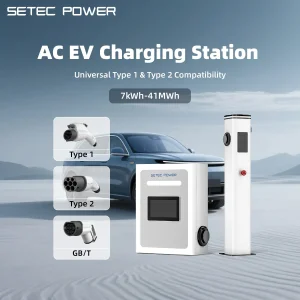
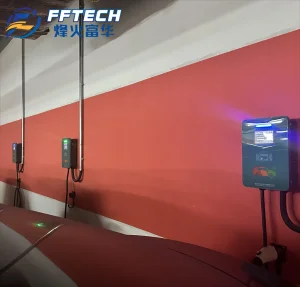
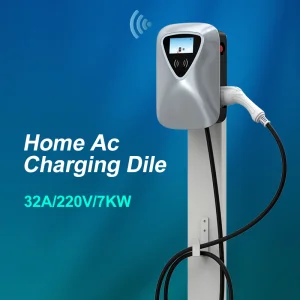
In the densely populated districts of Budapest, our Wall-mounted Level 2 chargers provide compact, RFID-secured charging solutions for multi-family parking garages, ensuring only authorized residents can access the power.
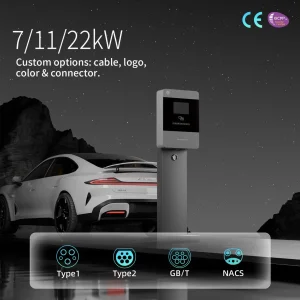
Around Lake Balaton and the Tokaj wine region, guest house owners are installing our 11kW and 22kW AC chargers to attract eco-conscious tourists from Germany and Austria who travel via EV.
Supporting the massive workforce in Hungary's new battery plants, our chargers are deployed in corporate parking lots to provide employee charging during work shifts, utilizing Type 2 standard connectors.
Foshan Walnut Charger Co., Ltd. is a leading manufacturer specializing in advanced AC EV charging solutions for both residential and commercial applications. With a focus on wall-mounted and floor-mounted chargers, the company provides a comprehensive range of smart charging products designed to meet the diverse needs of homeowners, businesses, and fleet operators in Hungary and across Europe.
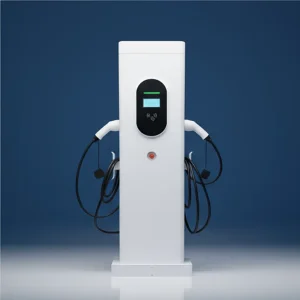
The company’s product portfolio includes high-efficiency AC chargers equipped with intelligent power management systems, dual-port charging options, and real-time monitoring capabilities. By integrating cutting-edge technology, Foshan Walnut Charger ensures optimal charging performance, energy efficiency, and user-friendly operation for every installation.
Committed to sustainable mobility, Foshan Walnut Charger emphasizes seamless integration of smart home and commercial energy systems. Our solutions support load balancing, remote management via mobile applications, and safety compliance with international standards, providing reliable and efficient charging for all electric vehicles in the Hungarian market.
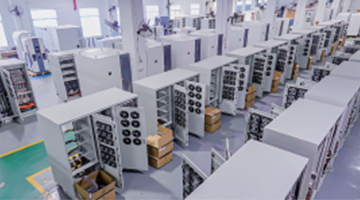
With strong R&D capabilities, rigorous quality control, and a customer-centric approach, Foshan Walnut Charger has established itself as a trusted partner in the EV charging industry. Our mission is to deliver innovative, safe, and energy-efficient charging solutions that empower customers to embrace electric mobility while optimizing energy use and reducing costs.
The future of EV charging in Hungary is moving toward V2H (Vehicle-to-Home) and solar integration. As Hungary increases its solar capacity, particularly with residential PV systems, our AC Level 2 chargers are evolving to allow "Green Charging," where the car only charges when excess solar energy is available. Furthermore, the adoption of OCPP 1.6J and 2.0.1 protocols is becoming standard, allowing Hungarian operators to manage large networks of chargers remotely.
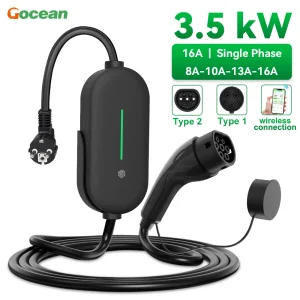
Integration with mobile APPs via WiFi and Bluetooth, allowing users in Hungary to schedule charging during off-peak hours when electricity prices are lower.
Designed for the Central European climate, our chargers feature IP54-IP65 ratings, ensuring performance through cold Hungarian winters and hot summers.
Full CE, RoHS, and TUV certification, meeting all strict EU safety requirements for residential and public installations.
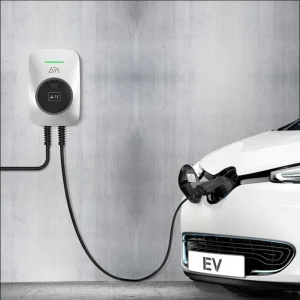
When we talk about the Hungarian energy landscape, we must address the shift from traditional fossil fuels to the "Paks II" nuclear project and the expansion of renewable energy. For a homeowner in Hungary, an AC Level 2 charger is not just a luxury; it is a critical component of the domestic energy ecosystem. Standard Level 1 chargers (using a basic wall plug) can take over 24 hours to charge a modern EV battery. In contrast, our 7kW to 22kW Level 2 solutions can fully charge most vehicles in 4 to 8 hours, perfectly aligning with overnight electricity cycles.
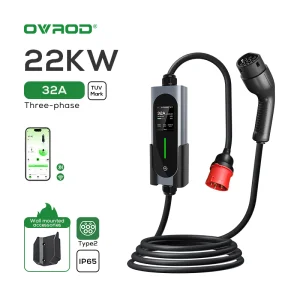
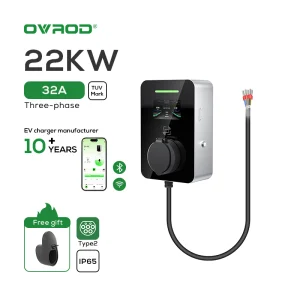
Exporting to Hungary requires a deep understanding of local electrical standards. Most modern Hungarian homes are equipped with three-phase electricity, which is why our 22kW AC chargers are particularly popular. These units utilize all three phases to deliver maximum power, ensuring that even high-capacity SUVs from Mercedes or Audi (which are manufactured right here in Hungary) are ready for the morning commute. Our manufacturing process ensures that each unit exported to the Hungarian market undergoes rigorous testing for voltage fluctuations and surge protection.
As a manufacturer, we don't just sell products; we support the local economy by providing high-quality components for Hungarian infrastructure projects. Whether it is a new luxury housing development in the Buda Hills or a public parking initiative in Miskolc, our chargers provide the reliability that European contractors demand. We offer OEM/ODM services for Hungarian brands looking to enter the EVSE market, providing them with white-label solutions that carry all necessary CE and TUV certifications.
Our commitment extends to the environmental goals of the "Hungary 2030" plan, which aims to reduce carbon emissions significantly. By providing affordable, durable, and smart charging solutions, we are helping Hungarian citizens transition to cleaner transport. The integration of RFID cards and WiFi control in our wallboxes allows for easy billing in semi-public spaces, such as hotel parking lots or small business offices, further expanding the usability of EV infrastructure across the country.
 Walnut Charger