Decarbonizing global logistics and residential transport ecosystems through advanced power electronics and intelligent energy distribution.
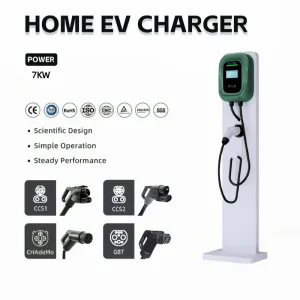
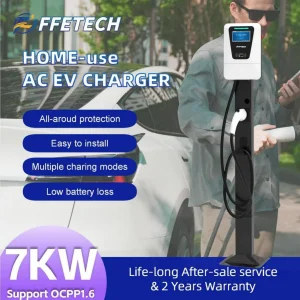
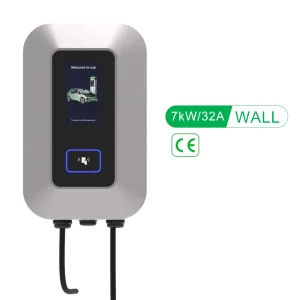
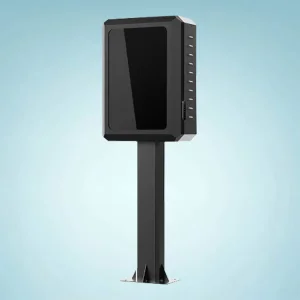
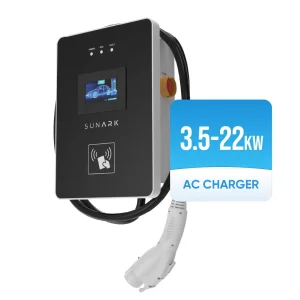
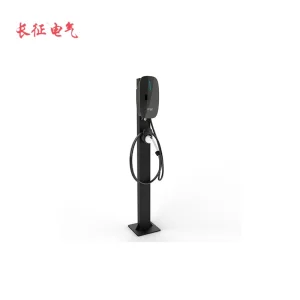
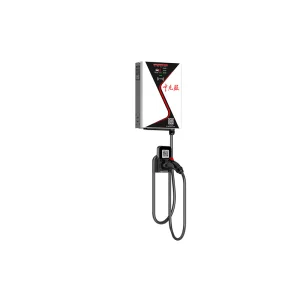
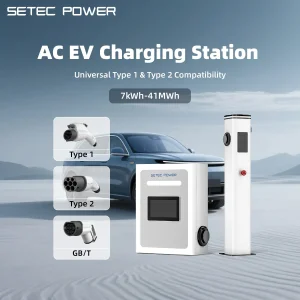
Foshan Walnut Charger Co., Ltd. is a leading manufacturer specializing in advanced AC EV charging solutions for both residential and commercial applications. With a focus on wall-mounted and floor-mounted chargers, the company provides a comprehensive range of smart charging products designed to meet the diverse needs of homeowners, businesses, and fleet operators.

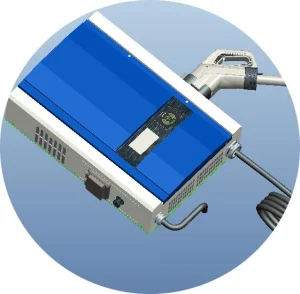
The company’s product portfolio includes high-efficiency AC chargers equipped with intelligent power management systems, dual-port charging options, and real-time monitoring capabilities. By integrating cutting-edge technology, Foshan Walnut Charger ensures optimal charging performance, energy efficiency, and user-friendly operation for every installation.
Committed to sustainable mobility, Foshan Walnut Charger emphasizes seamless integration of smart home and commercial energy systems. Its solutions support load balancing, remote management via mobile applications, and safety compliance with international standards, providing reliable and efficient charging for all electric vehicles.

With strong R&D capabilities, rigorous quality control, and a customer-centric approach, Foshan Walnut Charger has established itself as a trusted partner in the EV charging industry. The company’s mission is to deliver innovative, safe, and energy-efficient charging solutions that empower customers to embrace electric mobility while optimizing energy use and reducing costs.
The biggest challenge with solar-powered electric vehicle charging is matching the unpredictable profile of solar generation (PV) with the static requirements of EV onboard chargers. Standard EV systems require a minimum start-up current of 6A per phase (which equals roughly 1.4 kW on single-phase and 4.2 kW on three-phase setups). Without intelligent power routing, clouds and low sun conditions result in grid fallback or frequent charge interruptions that degrade vehicle battery packs.
Foshan Walnut Charger addresses this with automatic phase-switching technology and fast-response dynamic load balancing. When solar generation falls below 4.2 kW, the system dynamically switches from 3-phase charging to single-phase charging down to 1.4 kW, maximizing the utilization of generated solar energy.
"Integrating dynamic Phase Switching and OCPP-managed energy balancing allows operators to improve solar self-consumption indices from a baseline of 35% up to 85%."
| Parameter | Industrial Standard | Foshan Walnut Spec |
|---|---|---|
| Dynamic Current Range | 6A - 32A | 6A - 32A (Fully Adjustable) |
| Communication Protocols | Basic PWM | OCPP 1.6J / OCPP 2.0.1 ready |
| Leakage Protection | Type A RCD | Type A 30mA + DC 6mA RCD Built-in |
| Solar Integration Mode | Manual Offset | Real-time CT/Meter Load Balance |
Ensuring cross-border compliance through accredited laboratory certifications and reliable local support infrastructures.
Fully compliant with the EU Low Voltage Directive (LVD) 2014/35/EU and Electromagnetic Compatibility (EMC) Directive 2014/30/EU. Tested under EN 61851-1 and EN 61851-21-2 protocols for reliable electrical and structural safety in commercial installations.
Designed to align with global smart-charging mandates, including the UK Smart Charging Regulations. Built-in randomized delay timers, off-peak pre-configurations, and secure localized tamper-detection sensors protect grid integrity.
For European public networks, our units support compliant MID-certified meters and isolated data signing, providing transparent, tamper-proof billing data for fleet managers and commercial station operators.
Foshan Walnut provides structured warranty support and firmware updates over-the-air (OTA). We work closely with regional EPC contractors and distribution networks in Europe, Latin America, and the APAC region to supply local installer guides, spare parts kits, and direct level-3 engineering support.
Choosing a manufacturer in Foshan means tapping into a streamlined industrial logistics pipeline. We source high-grade raw copper, weather-resistant plastic compounds, and advanced semiconductors directly from partner factories, avoiding supply bottlenecks and reducing overall transit costs.
Every EV charger produced at our facility undergoes strict validation procedures, including automated optical inspections (AOI), functional simulations, and 100% full-load thermal burn-in tests in climate chambers. These rigorous standards ensure that the units you export operate reliably in extreme conditions, from hot desert environments to cold winters.
Strict quality control processes support our position as a leading global EV charging exporter.
Key technical parameters required by EPC contractors, real estate developers, and municipal buyers.
Commercial charging projects require reliable software integration. Our OCPP-ready devices connect with open-standard central management systems (CMS). They support dynamic tariffs, remote billing controls, priority scheduling, and real-time load management using secure TLS web socket protocols.
We offer comprehensive branding and engineering services for wholesale importers and distributor partners:
Versatile charging solutions tailored for varied installations and environments.
Designed for smart homes with rooftop solar systems. Connects directly to domestic energy management software to charge electric vehicles using excess solar yield, helping to reduce grid dependence.
Ideal for logistics yards and workplace parking lots. Dynamic load balancing allows multiple chargers to run simultaneously, preventing high peak-load utility surcharges.
Designed for tourist destinations, national parks, and highway rest areas. Built-in protection against dust and water ensures stable operation even in challenging outdoor environments.
Staying ahead of changes in smart grid integrations and international standards.
Vehicle-to-Grid (V2G) technology is transforming electric vehicles from simple energy consumers into mobile storage units. When grid demand peaks or solar generation drops, EVs can discharge energy back to the home (V2H) or grid (V2G). Our R&D team is developing smart control systems to handle bidirectional energy flows safely, helping to stabilize regional grids.
By aligning our product designs with ISO 15118-20 communications standards, we ensure our charging hardware is ready for next-generation bidirectional power grids.
Next-generation charging management systems will use predictive algorithms to optimize charging schedules based on local solar forecasts and electricity tariff cycles. Chargers will pre-cool or pre-heat EV batteries during peak solar hours, maximizing energy efficiency.
Our chargers are engineered with the necessary processing power to support local automation and cloud-based predictive algorithms, protecting hardware investments against future technological changes.
Technical answers regarding installation, certification, and solar compatibility.
Yes. While our AC EV chargers can run on grid power, they can also operate off-grid when paired with a solar inverter and a Battery Energy Storage System (BESS). The storage system helps maintain a stable output voltage during variations in solar generation.
CE certification shows that the charger complies with European safety, health, and environmental protection standards. It is required for import into the European Economic Area (EEA) and ensures the hardware has passed strict electromagnetic and safety tests.
DLB monitors real-time power consumption in the building. When usage increases, the charger reduces its power output to keep total demand below safe limits. When overall consumption drops, charging speed increases to optimize charging time.
Our chargers support OCPP 1.6 JSON. This allows them to connect with third-party network software, enabling features like billing management, remote start/stop operations, and over-the-air firmware updates.
We pack all export products in high-density foam padding and thick cardboard boxes. Larger wholesale shipments are loaded onto standardized pallets with moisture-barrier wrapping to prevent damage during transit.
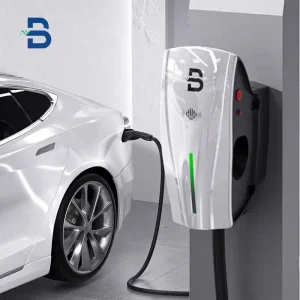
 Walnut Charger