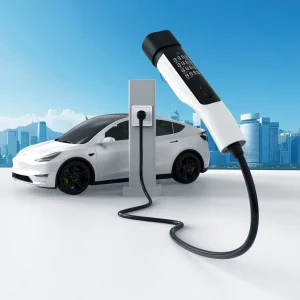
BYD Brazil Compatible: Portable EV Fast Charging Station Type 2 7kw AC Smart All-in-One
Tesla & BYD Mobile Charging: 7kw AC Smart Home GB/T CCS1 CCS2 for Brazil Regions
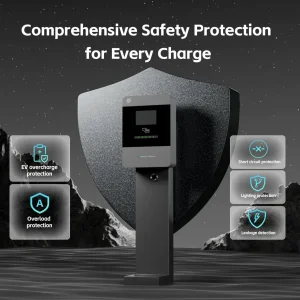
São Paulo Home Use: Portable Type 2 Type 1 Wallbox RFID/4G 22kw/7kw/11kw Charging Station
Brazil Smart Series: Portable Wallbox RFID/4G/CE 22kw AC Charger for Urban Fleet
Brazil is currently witnessing an unprecedented surge in electric vehicle (EV) adoption. Driven by the entry of major global players like BYD and GWM, the demand for robust Networked AC EV Charging Solutions has skyrocketed. Unlike mature markets in Europe or North America, Brazil presents a unique geographical and technical challenge. With its continental dimensions, the need for both fixed infrastructure and Portable AC EV Chargers is critical to overcoming "range anxiety" across vast states like Mato Grosso or Minas Gerais.
Manufacturers and factories are now pivoting to meet the local grid requirements—predominantly 127V/220V dual-phase systems—ensuring that smart chargers are not only efficient but also resilient to the voltage fluctuations common in certain Brazilian regions. The business landscape is shifting from simple hardware sales to integrated Networked Ecosystems where charging stations are managed via cloud-based platforms, allowing for monetized public charging and smart load balancing in residential condominiums.
In cities like Rio de Janeiro and Curitiba, multi-family residential buildings are the primary hub for EV charging. Our networked solutions allow property managers to track individual energy consumption and bill residents accurately via RFID or mobile apps.
The Brazilian "Agro" sector is embracing electrification for light-duty fleet vehicles. Portable chargers are essential here, allowing workers to charge vehicles directly from existing industrial sockets at farm hubs or distribution centers.
Major logistics companies in São Paulo are converting their last-mile delivery vans to electric. Our dual-port floor-mounted AC chargers provide a cost-effective way to charge multiple vans overnight without massive grid upgrades.

Foshan Walnut Charger Co., Ltd. is a leading manufacturer specializing in advanced AC EV charging solutions for both residential and commercial applications. With a focus on wall-mounted and floor-mounted chargers, the company provides a comprehensive range of smart charging products designed to meet the diverse needs of homeowners, businesses, and fleet operators.
The company’s product portfolio includes high-efficiency AC chargers equipped with intelligent power management systems, dual-port charging options, and real-time monitoring capabilities. By integrating cutting-edge technology, Foshan Walnut Charger ensures optimal charging performance, energy efficiency, and user-friendly operation for every installation.
Committed to sustainable mobility, Foshan Walnut Charger emphasizes seamless integration of smart home and commercial energy systems. Its solutions support load balancing, remote management via mobile applications, and safety compliance with international standards, providing reliable and efficient charging for all electric vehicles.
With strong R&D capabilities, rigorous quality control, and a customer-centric approach, Foshan Walnut Charger has established itself as a trusted partner in the EV charging industry. The company’s mission is to deliver innovative, safe, and energy-efficient charging solutions that empower customers to embrace electric mobility while optimizing energy use and reducing costs.
As we look toward 2025 and beyond, several key trends are defining the Brazilian EV factory landscape:
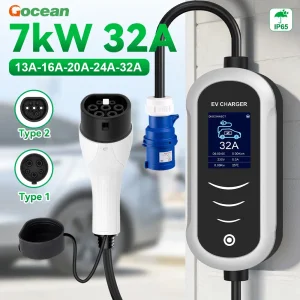
Type2 Single Phase 110V-220V: BYD 7kw 32A AC Portable EV Charger for Brazil Residential
Type2 32A AC Portable EV Charger: High Efficiency Mobile Solution for MG/BYD
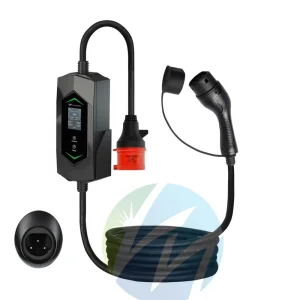
Solar Ready: AC Portable Home Use Chargers 3.5kw/7kw/14kw Type1 Type2 GBT
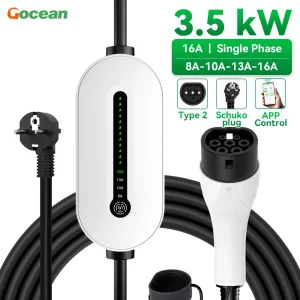
Gocean APP Smart: Electric Car Portable Charger 3.5kw Type 2 16A AC Control
Remote Management: Gocean APP Electric Vehicle EV Car Charger 16A AC Portable
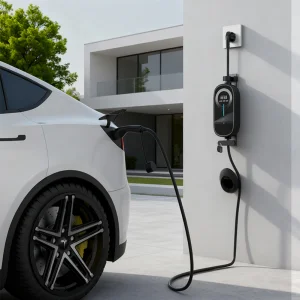
Fleet Optimization: EV AC Charger Portable for BYD Matching Charging Stations
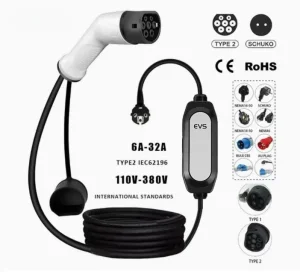
Outdoor Ready: EV AC Charger Portable Type1/Type2/Chademo/GBT Waterproof 5m Cable
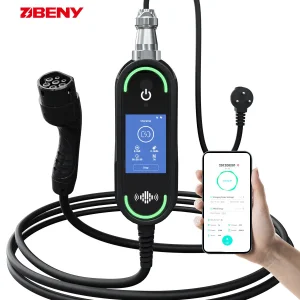
Versatile Tech: Beny 22kw 7kw 2in1 Portable EV Charger Wallbox Smart APP Type2
 Walnut Charger