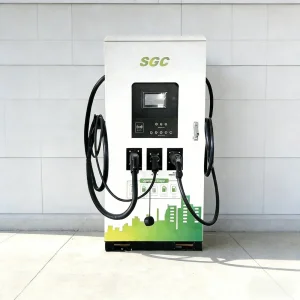
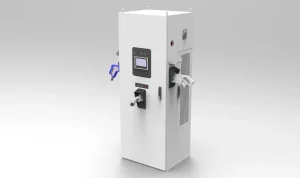
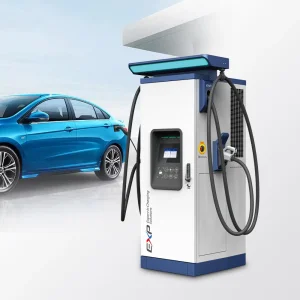
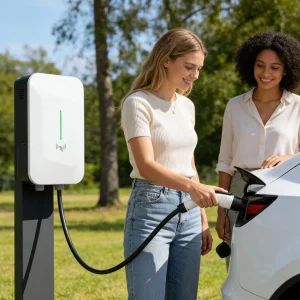
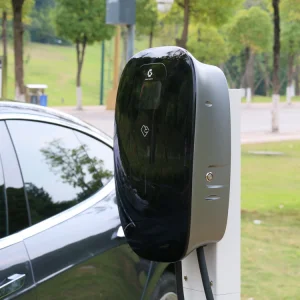
Egypt is witnessing a historic shift in its automotive and energy sectors. As part of the Egypt Vision 2030, the national government has prioritized the localization of electric vehicle (EV) manufacturing and the expansion of a robust charging network. With the New Administrative Capital (NAC) and cities like Cairo and Alexandria leading the way, the demand for high-quality Outdoor AC EV Charging Units has surged.
Industrial zones across Egypt are now inviting global technology partners to establish assembly lines for chargers. The local market is uniquely positioned to serve as a hub for both North Africa and the Middle East. For Egyptian businesses—ranging from municipal transport authorities to private logistics firms—investing in durable, weather-resistant charging hardware is no longer a luxury, but a strategic necessity.
In Cairo, where services like Uber and local electric bus fleets are expanding, Outdoor AC EV Charging Units are being installed in dedicated driver hubs. These units allow for "top-up" charging during shifts, ensuring high vehicle uptime without the massive infrastructure costs of full DC stations.
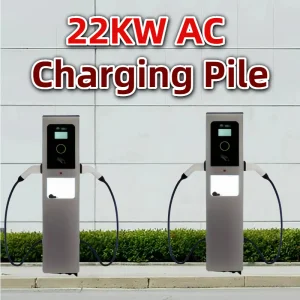
Factories and warehouses within the Suez Canal Economic Zone are transitioning their delivery fleets to electric. Heavy-duty AC chargers with 22kW output are ideal for overnight charging of light-duty vans and employee vehicles, integrating perfectly with Egypt’s industrial grid requirements.
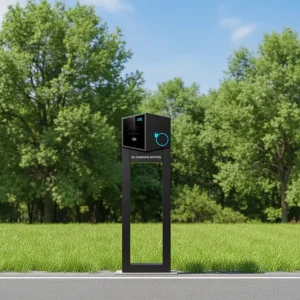
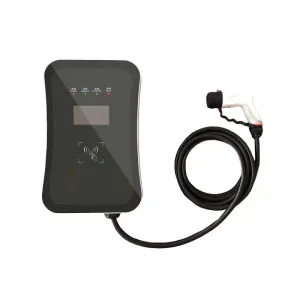
New Cairo and 6th of October City developments are mandating EV charging readiness. Our floor-mounted and wall-mounted AC units provide a smart, aesthetic solution that supports load balancing to protect building energy systems.
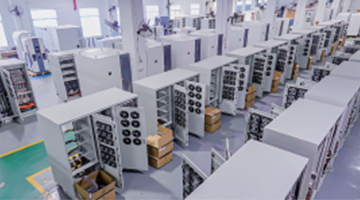
Foshan Walnut Charger Co., Ltd. is a leading manufacturer specializing in advanced AC EV charging solutions for both residential and commercial applications. With a focus on wall-mounted and floor-mounted chargers, the company provides a comprehensive range of smart charging products designed to meet the diverse needs of homeowners, businesses, and fleet operators.
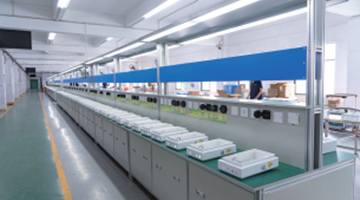
The company’s product portfolio includes high-efficiency AC chargers equipped with intelligent power management systems, dual-port charging options, and real-time monitoring capabilities. By integrating cutting-edge technology, Foshan Walnut Charger ensures optimal charging performance, energy efficiency, and user-friendly operation for every installation.
Committed to sustainable mobility, Foshan Walnut Charger emphasizes seamless integration of smart home and commercial energy systems. Its solutions support load balancing, remote management via mobile applications, and safety compliance with international standards, providing reliable and efficient charging for all electric vehicles.
With strong R&D capabilities, rigorous quality control, and a customer-centric approach, Foshan Walnut Charger has established itself as a trusted partner in the EV charging industry. The company’s mission is to deliver innovative, safe, and energy-efficient charging solutions that empower customers to embrace electric mobility while optimizing energy use and reducing costs.
Egyptian summers can see temperatures exceeding 45°C. Our units are engineered with high-grade thermal management and UV-resistant materials to prevent components from overheating or degrading under the intense desert sun.
With an IP55 to IP65 rating, our outdoor units are fully sealed against fine sand and dust, which are prevalent in Cairo and Giza. This ensures long-term reliability and reduces maintenance costs for factory owners.
Our chargers support dynamic load balancing, which is critical in regions where grid stability can fluctuate. By communicating with the local building management system (BMS), the chargers prevent circuit overloads during peak usage.
The road ahead for Egypt involves more than just hardware; it’s about integrated energy ecosystems. We anticipate several key trends that will define the market for Outdoor AC EV Charging Units Manufacturers in the coming years:
By partnering with a manufacturer that understands both the global standards (IEC, Type 2) and the local environmental challenges, Egyptian enterprises can future-proof their investments and lead the region’s transition to zero-emission transport.
 Walnut Charger