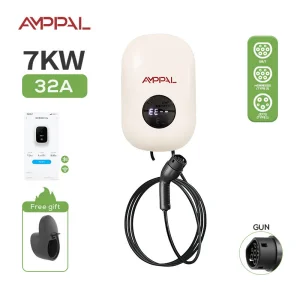
 Wholesale 7kw AC Evse Smart Control Wall-Mounted Charging Station Commercial EV Charger-Type 1/Type 2 Gbt Car-APP Integration
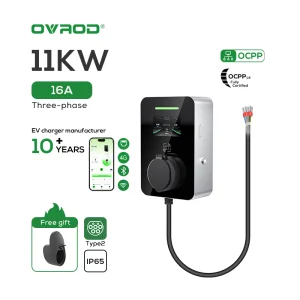 Ovord Ocpp 1.6 Wall Mounted AC Fast Level 2 Car Charging Station Wallbox Type 2 Home 11kw 16A EV Charger with APP Control
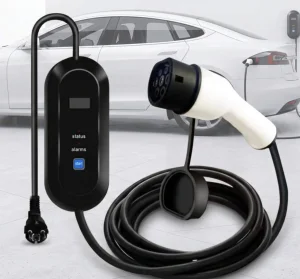 K021 Portable AC EV Charger for Home & Travel Use
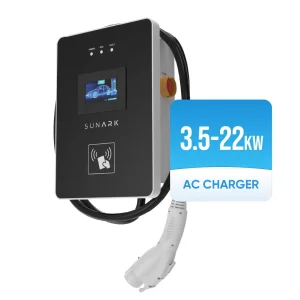 Sunark Car Charger Retractable Cable 7kw 11kw 22kw EV AC Car Charger with Load Balance
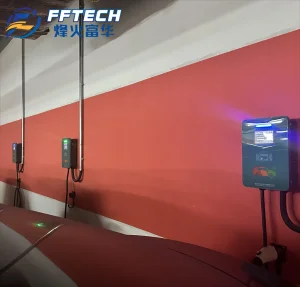 High-Power 3 Phase Level 2 AC Home EV Charger
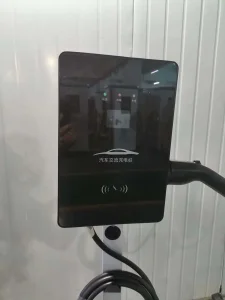 7.2kw 7.4kw 7kw 14kw 22kw 16A AC Electric Vehicle Car Charger Home Portable Wall Mounted EV Charging Pile Manufacturer Directly Supply
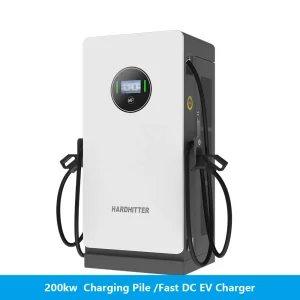 CCS2 200kw Ultra Fast Charger EV Charging Station for Electric Taxi Fleet
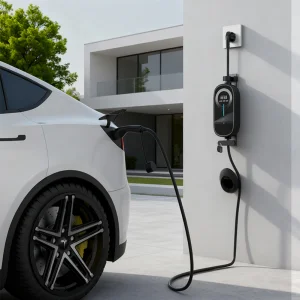 Which EV AC Charger Serves as Portable Charger for Byd, Matching Electric Vehicle Charging Station and Meeting Mobile Electric Car Charger Needs
The global energy landscape is undergoing a paradigm shift. As nations commit to net-zero emissions, the demand for robust portable battery chargers and fixed EVSE (Electric Vehicle Supply Equipment) infrastructure has transcended beyond consumer gadgets into a critical industrial requirement. The transition from internal combustion engines (ICE) to Electric Vehicles (EVs) requires more than just cars; it demands a resilient, intelligent, and decentralized energy distribution network.
Currently, the market is no longer satisfied with "plug-and-play" simplicity. Modern industrial solutions require Dynamic Load Balancing (DLB), integration with renewable energy sources (Solar PV), and OCPP 1.6/2.0 protocol compliance to ensure interoperability between different hardware and software management platforms. As a result, Tier 1 suppliers like Foshan Walnut Charger Co., Ltd. are pioneering the development of high-efficiency AC chargers that balance grid stability with user convenience.
Information Gain: While many suppliers focus on cost, the real competitive edge lies in the Information Gain of the charging data—utilizing AI to predict peak demand and optimizing charging cycles to extend battery longevity.
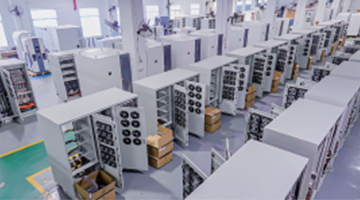
Logistics hubs and taxi fleets are integrating 200kW Ultra-Fast DC chargers alongside AC portable units to maximize uptime. Data-driven fleet management allows for scheduled charging, reducing operational costs by up to 30%.
High-density residential areas now require wall-mounted chargers with APP integration and Load Balance to prevent grid overloads during evening peak hours, facilitating a "smart home" ecosystem.
Global suppliers must navigate Type 1 (North America), Type 2 (Europe), and GB/T (China) standards. Providing multi-standard, certified equipment (CE, TUV, UL) is no longer optional—it is the baseline for global export.

Foshan Walnut Charger Co., Ltd. stands as a beacon of Experience, Expertise, Authoritativeness, and Trustworthiness (E-E-A-T) in the EVSE sector. Specializing in advanced AC EV charging solutions, the company bridges the gap between residential ease-of-use and commercial-grade durability.
Their portfolio features intelligent power management systems, dual-port options, and real-time monitoring. By emphasizing Information Gain through remote management and mobile application interfaces, Foshan Walnut Charger provides users with more than just power—they provide data-driven energy control.
The next five years will redefine how we interact with charging hardware. We are moving from passive devices to active energy assets.
Future chargers will allow EVs to feed power back into the grid during emergencies or peak prices, turning cars into mobile power banks.
Predictive maintenance will alert operators before a charging pile fails, using machine learning to analyze voltage ripples and thermal profiles.
While still in its infancy, magnetic resonance charging for industrial fleets (like warehouse AGVs) is on our R&D horizon, promising a cable-free future.
Navigating the global export market for portable battery chargers requires deep knowledge of local electrical codes. Foshan Walnut Charger provides tailored solutions for various regions:
We provide localized technical support and APP localization to ensure that end-users interact with our technology in their native language and within their local regulatory framework.
Our global export logistics network ensures that whether you are a wholesaler in Dubai or a fleet operator in Berlin, our products reach you with complete documentation (COO, COC, and Warranty certificates).
Level 1 uses a standard household outlet (slow), while Level 2 (like our 7kw/11kw/22kw units) uses a dedicated 240V circuit, charging up to 10x faster.
Yes, we offer Type 1, Type 2, and GB/T connectors, making our chargers compatible with Tesla (with adapter), BYD, BMW, Volkswagen, and more.
While not "mandatory," APP control allows for remote start/stop, charging scheduling (to save on electricity bills), and real-time health monitoring.
Our chargers include Over-voltage, Under-voltage, Overload, Short-circuit, Earth leakage, and Over-temperature protections as standard.
Most of our portable units are IP65 or IP66 rated, meaning they are protected against heavy rain and dust, suitable for outdoor use.
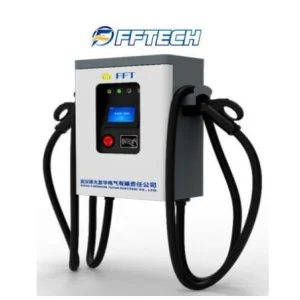 EV Charging Station/EV Charger 30kw Wireless Communication
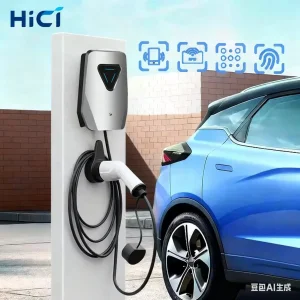 High-Efficiency EV Charger for Home and Fleet Use
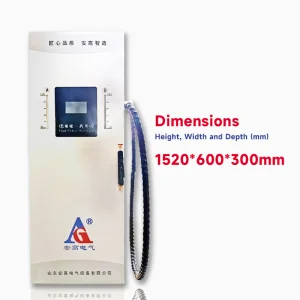 40kw AC DC Single Gun Best Commercial EV Electric Vehicle Charging Stations
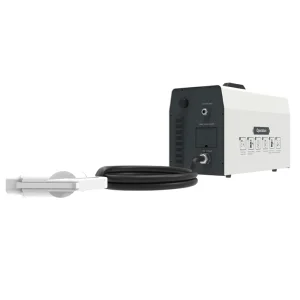 New Design Manufacturer 5m DC EV Charging Station 380V AC 125A 20kw 30kw 40kw Portable Fast Charger for Electric Vehicles
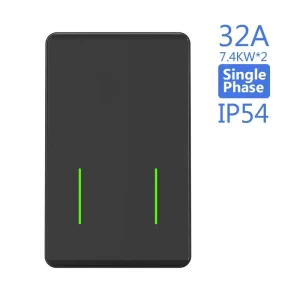 1 Phase EV Charger Smart APP Control EU Standard AC EV Fast Charger Station
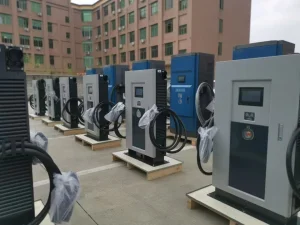 EV Fleet Charging Solutions with 55inch 65inch Advertising Screen
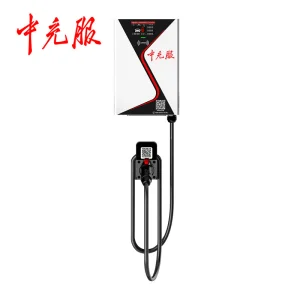 Zhongchongfu Smartflow 7kw AC Charger Adaptive Regulation for Evs with Dynamic Load Balancing Real-Time Error Correction and Stable Output for Stable Charging
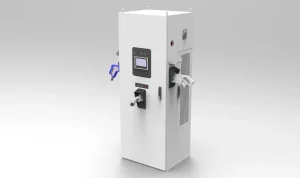 EV Charging Station AC-DC EV Charger Car Charging Station for EV Charging Fleet
 Walnut Charger