Engineered for Commercial, Industrial, and Public Infrastructure
The global electric vehicle (EV) market is no longer a niche segment; it is the cornerstone of the modern industrial transport strategy. As governments worldwide commit to net-zero targets—exemplified by the EU’s "Fit for 55" and the US’s NEVI program—the demand for DC Fast Charging (DCFC) infrastructure has reached an unprecedented peak. Unlike AC charging, which relies on the vehicle's onboard converter, DC chargers provide direct current to the battery, drastically reducing charging times from hours to minutes. This "Time-as-a-Resource" paradigm shift is what enables the viability of long-haul logistics and high-frequency urban transit.
CAGR Global DC Market Growth
Average 80% Charge Time (HPC)
Power Conversion Efficiency
Projected Public DC Plugs by 2030
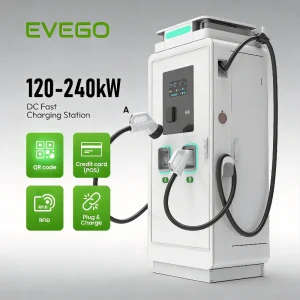
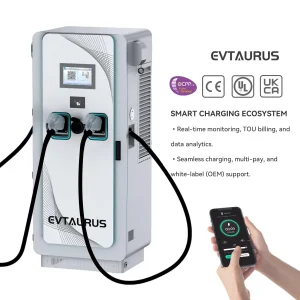
To be considered a top-tier manufacturer, a factory must master the trinity of EVSE (Electric Vehicle Supply Equipment) engineering: Power Conversion, Thermal Management, and Digital Communication. Modern DC stations, ranging from 60kW to 480kW, utilize modular power stacks. This modularity ensures that if one 30kW module fails, the station remains operational, providing "High Availability" that is critical for commercial operators.
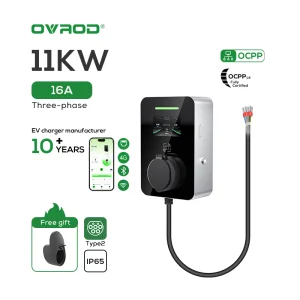
Furthermore, the integration of OCPP 1.6J and 2.0.1 protocols allows for seamless cloud-based management, enabling dynamic load balancing and vehicle-to-grid (V2G) capabilities. This is where Foshan Walnut Charger Co., Ltd. excels, bridging the gap between hardware durability and software intelligence.
China controls over 70% of the global lithium battery supply chain and power semiconductor manufacturing. Factories in industrial hubs like Foshan benefit from proximity to raw material providers, reducing lead times and logistical costs.
The "China Speed" in R&D means that new charging standards (such as NACS or liquid-cooled ultra-fast charging) are prototyped and certified in months, rather than years, giving global buyers a competitive edge in technology adoption.
With ISO9001, CE, and UL certifications, leading Chinese manufacturers utilize automated SMT lines and aging chambers that simulate 10 years of environmental stress, ensuring reliability in climates ranging from Nordic winters to Middle Eastern deserts.
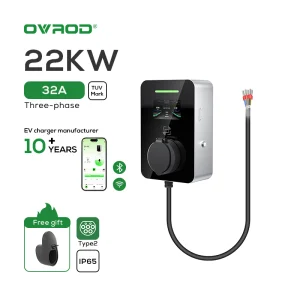
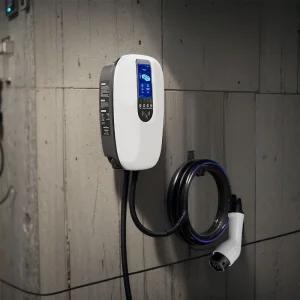
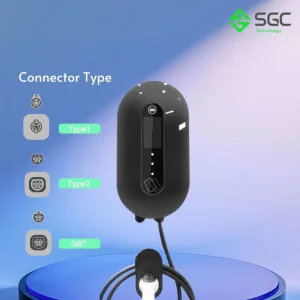
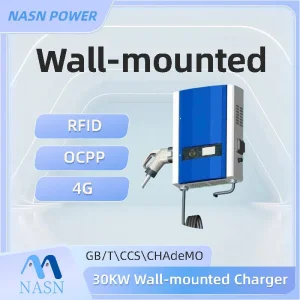
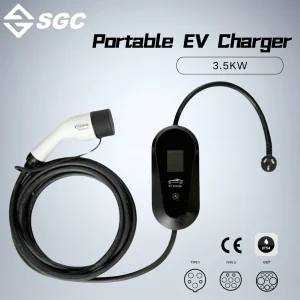
Foshan Walnut Charger Co., Ltd. is a leading manufacturer specializing in advanced AC and DC EV charging solutions for both residential and commercial applications. With a focus on wall-mounted and floor-mounted chargers, the company provides a comprehensive range of smart charging products designed to meet the diverse needs of homeowners, businesses, and fleet operators.
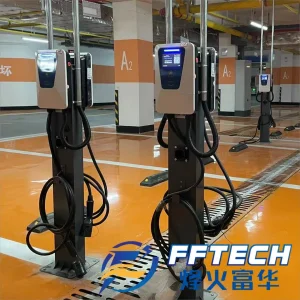
The company’s product portfolio includes high-efficiency chargers equipped with intelligent power management systems, dual-port charging options, and real-time monitoring capabilities. By integrating cutting-edge technology, Foshan Walnut Charger ensures optimal charging performance, energy efficiency, and user-friendly operation for every installation.
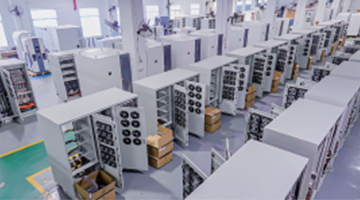
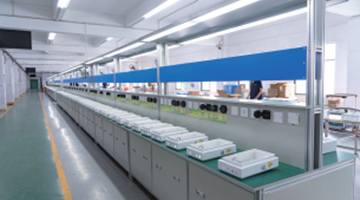
Committed to sustainable mobility, Foshan Walnut Charger emphasizes seamless integration of smart home and commercial energy systems. Its solutions support load balancing, remote management via mobile applications, and safety compliance with international standards, providing reliable and efficient charging for all electric vehicles.
With strong R&D capabilities, rigorous quality control, and a customer-centric approach, Foshan Walnut Charger has established itself as a trusted partner in the EV charging industry. Our mission is to deliver innovative, safe, and energy-efficient charging solutions that empower customers to embrace electric mobility while optimizing energy use and reducing costs.
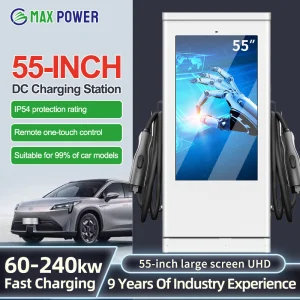
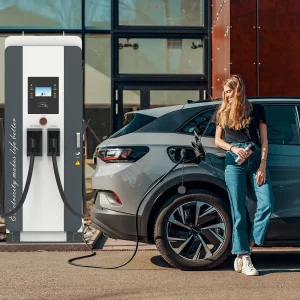
Multi-standard (CCS, CHAdeMO, GBT) 120kW+ stations for shopping malls and airports, featuring integrated billing and advertising displays.
High-duty cycle DC chargers designed for 24/7 operation of electric trucks and delivery vans, featuring scheduled charging to minimize peak utility costs.
Ultra-fast charging (350kW+) solutions that offer "Range-as-you-wait," critical for long-distance travel corridors and reducing range anxiety.
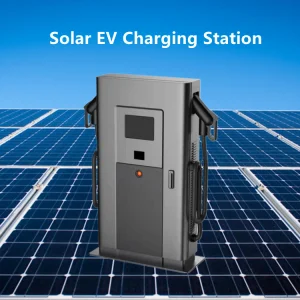
AC/DC hybrid solutions for luxury apartments that integrate with solar PV and home battery storage (BESS) for energy independence.
Vehicles will no longer just consume energy; they will act as mobile energy storage units. DC chargers equipped with bidirectional inverters allow fleets to sell energy back to the grid during peak demand, creating a new revenue stream for operators.
To achieve 400A+ currents without heavy, bulky cables, manufacturers are adopting liquid-cooling technology. This allows for lighter, more ergonomic cables that can deliver massive power safely without overheating.
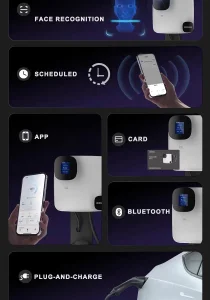
Removing the friction of RFID cards or apps, the future is Plug & Charge. The vehicle and charger communicate directly to authenticate and process payments securely, providing a "Tesla-like" experience for all brands.
Machine learning algorithms analyze voltage and temperature fluctuations in real-time to predict module failures before they happen, ensuring nearly 100% uptime for critical infrastructure.
 Walnut Charger