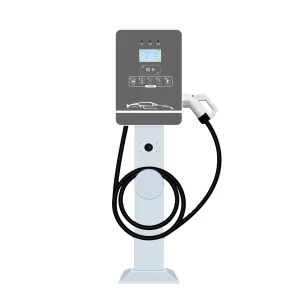
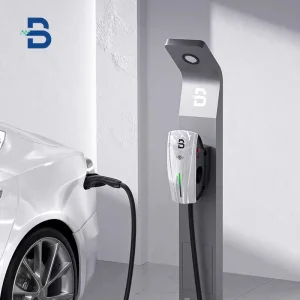
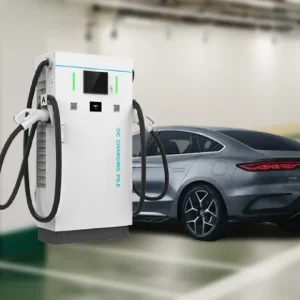
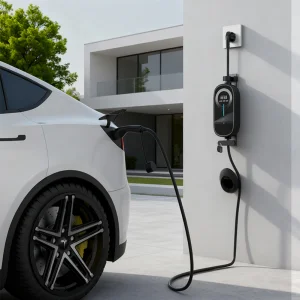
In the rapidly evolving era of electric mobility, Networked Charging Points have transitioned from a luxury to a critical industrial necessity. Unlike standalone "dumb" chargers, networked systems are integrated with sophisticated software backends via OCPP (Open Charge Point Protocol), allowing for real-time data exchange, remote diagnostics, and seamless payment processing. The global market for networked charging is projected to grow at a CAGR of over 25% through 2030, driven by the aggressive electrification targets set by the EU, North America, and Southeast Asia.
Industries today are looking for more than just a plug; they require a "smart energy node." Networked chargers enable Dynamic Load Balancing (DLB), which prevents grid overloads by distributing available power intelligently among multiple vehicles. This is particularly vital for commercial parking lots and multi-family residential complexes where power capacity is often limited.
Integration of artificial intelligence allows chargers to predict peak usage times and optimize charging speeds to minimize electricity costs while ensuring vehicle readiness.
Users now demand mobile control. Our networked points support 4G/Wi-Fi/Ethernet connectivity for remote monitoring, scheduling, and billing directly from a smartphone.
The next frontier is bidirectional charging, where networked points allow EVs to return energy to the grid or power home appliances during outages.
As charging points connect to the cloud, high-level encryption protocols are essential to protect user data and prevent unauthorized access to the energy grid.
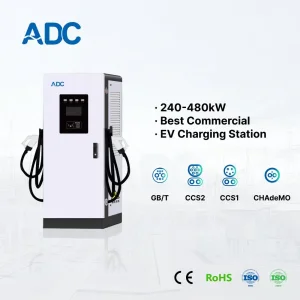
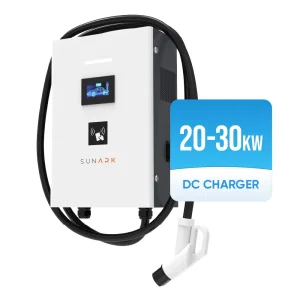
The move from AC to high-power DC (120kW-360kW) networked stations is accelerating to meet the demands of heavy-duty fleet and long-haul transport.
Support for CCS1, CCS2, CHAdeMO, and GB/T standards ensures that networked infrastructure can serve any vehicle brand globally.
Global procurement teams from retail chains, real estate developers, and government agencies are prioritizing suppliers who offer "Future-Proof" hardware. This includes modular designs for easy upgrades and robust software compatibility. In Europe, the focus is on OCPP 1.6J compliance, while in the Middle East, the emphasis is on thermal management for high-temperature environments.
Malls and hotels use networked points to attract high-spending EV drivers, utilizing the network to run loyalty programs and targeted advertising on charger screens.
Fleet operators rely on networked data to track energy consumption per vehicle, ensuring maintenance alerts are triggered automatically via the cloud.

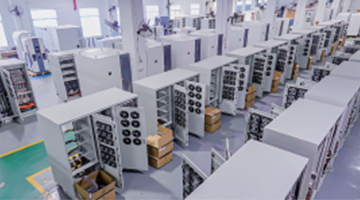
Located in the heart of China’s manufacturing hub, Foshan Walnut Charger Co., Ltd. combines the cost-efficiency of Chinese supply chains with world-class engineering standards. Our factory is equipped with the latest automated SMT lines and rigorous testing chambers to simulate various global climates.
The transition to electric vehicles is not just about changing the fuel source; it is about changing the way we interact with the energy grid. Networked charging points act as the "internet of energy," bridge the gap between the power plant and the vehicle battery. For exporters and suppliers, the value proposition has shifted from the hardware itself to the ecosystem it supports.
For business owners, the "Top 10 Networked Charging Points" must provide a clear path to profitability. Networked stations allow for automated billing, meaning the owner can charge users for electricity, parking time, or even a flat connection fee. These systems handle the complexity of different currencies and payment methods (RFID, Credit Cards, QR Codes) through a centralized gateway.
One of the biggest hurdles for large-scale EV adoption is grid capacity. If 50 cars in a corporate parking garage all plug in at 9:00 AM, the local transformer could fail. Networked charging points solve this via Dynamic Load Management. The central server monitors the building's total load and throttles the chargers accordingly, ensuring the lights stay on while the cars charge as fast as safely possible.
Traditional chargers require a technician to visit the site for every minor glitch. Networked chargers, however, can be rebooted, updated, and diagnosed remotely. 85% of software-related issues can be solved from the control center, drastically reducing O&M (Operation and Maintenance) costs for global exporters who may be managing thousands of units across different continents.
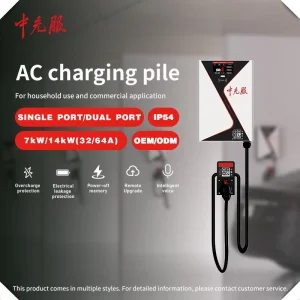
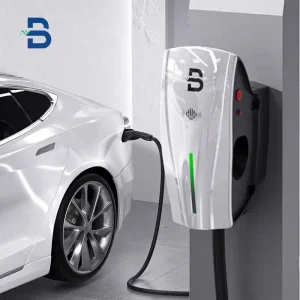
Foshan Walnut Charger Co., Ltd. is a leading manufacturer specializing in advanced AC EV charging solutions for both residential and commercial applications. With a focus on wall-mounted and floor-mounted chargers, the company provides a comprehensive range of smart charging products designed to meet the diverse needs of homeowners, businesses, and fleet operators.
The company’s product portfolio includes high-efficiency AC chargers equipped with intelligent power management systems, dual-port charging options, and real-time monitoring capabilities. By integrating cutting-edge technology, Foshan Walnut Charger ensures optimal charging performance, energy efficiency, and user-friendly operation for every installation.
Committed to sustainable mobility, Foshan Walnut Charger emphasizes seamless integration of smart home and commercial energy systems. Its solutions support load balancing, remote management via mobile applications, and safety compliance with international standards, providing reliable and efficient charging for all electric vehicles.
With strong R&D capabilities, rigorous quality control, and a customer-centric approach, Foshan Walnut Charger has established itself as a trusted partner in the EV charging industry. Our mission is to deliver innovative, safe, and energy-efficient charging solutions that empower customers to embrace electric mobility while optimizing energy use and reducing costs.
 Walnut Charger